
Archive for September 2026
Joint Stiffness

The Cold-Weather Pain Connection
As fall transitions into winter, many people with chronic pain or arthritis notice their symptoms flare up. Aching joints, stiffness that lingers longer in the morning, and reduced mobility are common complaints as temperatures drop. This isn’t just in your head—there’s solid science behind why cold weather intensifies joint pain and stiffness.
Understanding what happens to your body in cold weather empowers you to take proactive steps now, before winter arrives in full force. Rather than waiting out the painful months, you can adopt habits and seek care that keeps your joints mobile and your spine aligned throughout the season.
How Cold Affects Your Joints and Muscles
Cold temperature causes several physiological changes that directly impact your musculoskeletal system. When exposed to cold, blood vessels constrict—a process called vasoconstriction—to preserve core body heat. This reduced blood flow means fewer oxygen and nutrients reach your joints and muscles, causing them to stiffen and ache.
Additionally, cold makes synovial fluid (the lubricant inside joints) more viscous, or thick. Imagine honey in a warm kitchen versus a freezer; it moves more slowly when cold. This thickening reduces joint mobility and increases friction, making movement feel harder and more uncomfortable.
Your muscles also tighten in response to cold. This protective muscle guarding is your body’s natural attempt to conserve heat, but it can create tension patterns that pull your spine out of alignment and compress nerves—a recipe for pain that can persist long after you come indoors.
Barometric Pressure and Tissue Expansion
Research suggests that drops in barometric pressure (common before winter storms) may cause tissues in and around joints to expand slightly. This expansion can increase pressure inside the joint capsule, intensifying pain—especially for people with arthritis or previous injuries.
Proactive Care for Winter Comfort
Waiting for pain to worsen is reactive. Instead, schedule a chiropractic adjustment now, before winter weather arrives. Regular adjustments keep your spine aligned, reduce nerve compression, and improve overall mobility. Proper alignment means your body moves more efficiently, your muscles don’t overcompensate, and your joints experience less stress—all huge advantages when cold weather tries to stiffen you up.
Adjustments also improve circulation and reduce muscular tension, helping counteract the blood-flow restriction cold naturally causes.
Movement and Mobility Habits
Stay active indoors. Cold-weather inactivity is a pain amplifier. Gentle stretching, yoga, or indoor walking keeps synovial fluid mobile and maintains muscle flexibility. Even 10–15 minutes of movement in the morning can make a noticeable difference in how you feel throughout the day.
When you do go outside, warm up your body first. Cold muscles are tight muscles. A few minutes of light activity indoors before heading into the cold gives your body a head start.
Ergonomics of Winter Layering and Posture
Bundling up is necessary, but bulky clothing can affect your posture if you’re not mindful. Heavy winter coats and multiple layers can create shoulder tension and pull your head forward as you adjust to the added weight and bulk. Here’s how to layer smart:
- Choose fitted base layers. Thick, loose clothing can throw off your balance and posture. Fitted thermal layers provide warmth without the bulk.
- Distribute weight evenly. When wearing a heavy coat, adjust how you sit and stand. Don’t let the coat’s weight pull your shoulders forward or down.
- Support your neck. Scarves and high collars can encourage a forward head posture. Wear them loosely enough that you can maintain neutral neck alignment.
- Mind your bag. If you carry a winter bag or backpack, balance the load across both shoulders to avoid asymmetrical spinal stress.
Start Now, Stay Comfortable All Winter
The best time to address winter joint stiffness is before the cold arrives. A chiropractic adjustment, combined with consistent movement and posture awareness, sets you up for a winter free of unnecessary pain. Don’t let cold weather dictate your comfort—take control now.
If you’re experiencing chronic pain or joint stiffness, or if you’d like to prepare your spine and joints for the colder months ahead, reach out to schedule your appointment with Dr. Diane Barton in Homewood. Proactive care today means better mobility and comfort tomorrow.
Ready to talk? Call 708-922-1400 or visit our contact page.
Teen Sports

The Foundation of Athletic Performance
Young athletes push their bodies hard. Whether your teen is sprinting down a soccer field, jumping for a rebound, or diving for a volleyball, every movement depends on a stable, aligned spine. Many parents focus on training volume, equipment, and nutrition—all important—but overlook the musculoskeletal foundation that makes explosive movement, balance, and endurance possible. Proper spinal alignment isn’t just about avoiding pain; it’s about unlocking your athlete’s full potential.
The spine houses the central nervous system, which controls every muscle contraction and movement your young athlete makes. When vertebrae drift out of alignment—a condition chiropractors call a subluxation—nerve function becomes compromised. That means slower reaction times, reduced power output, and a higher risk of injury. Preventive chiropractic care corrects these misalignments before they cascade into sprains, strains, or more serious damage.
Spinal Alignment Enhances Athletic Performance
A properly aligned spine allows your teen athlete to:
- Generate more power: Proper spinal mechanics transfer force from the core through the legs and arms, amplifying speed and strength in movements like kicking, throwing, and cutting.
- Move with better balance and coordination: The inner ear and proprioceptive system rely on healthy nerve signaling from the spine. Alignment improves body awareness and agility on the court or field.
- Breathe more efficiently: Spinal misalignments can restrict rib cage mobility and diaphragmatic breathing, limiting oxygen intake during intense exertion. Better alignment supports deeper, more efficient breathing under pressure.
- React faster: Clear nerve pathways mean quicker communication between brain and muscles, crucial for split-second decisions in competitive play.
The Injury Prevention Advantage
Youth sports injuries often result from cumulative stress rather than a single catastrophic moment. Repetitive movements—the hundreds of jump shots, long kicks, or shoulder rotations performed during practice and games—place strain on joints and soft tissues. If the spine is misaligned, that stress distributes unevenly, overloading certain areas and creating hot spots for injury.
Regular chiropractic care from Dr. Barton identifies and corrects these small misalignments before they escalate. Dr. Barton can spot postural imbalances, restricted joint mobility, and muscle compensation patterns that increase injury risk. For athletes in high-demand sports like football, basketball, soccer, and volleyball—where directional changes, jumping, and full-body contact are constant—this preventive approach is invaluable.
Young athletes are also still developing. Their growth plates are active, their muscles are lengthening, and their coordination is still maturing. Maintaining proper spinal alignment during these critical years establishes healthy movement patterns that reduce injury risk both now and in the future.
Faster Recovery
Even with excellent alignment, young athletes sometimes experience minor sprains, strains, or muscle soreness. Proper spinal health accelerates recovery. A well-aligned spine supports optimal circulation, reduces inflammation, and allows the nervous system to coordinate the body’s natural healing response more effectively. This means your teen returns to full participation sooner and with less risk of re-injury or compensation injuries.
Chiropractic adjustments from Dr. Barton also help restore mobility after injury. Rather than settling into prolonged rest—which can actually weaken muscles and slow recovery—your athlete benefits from active, supported rehabilitation that keeps them moving while healing occurs.
A Proactive Investment in Your Athlete’s Future
The difference between a young athlete who peaks at 16 and one who reaches their full potential at 18 or beyond often comes down to foundational health decisions made early. Regular spinal checkups, proper alignment, and preventive care aren’t reactive treatments—they’re investments in longevity, performance, and confidence on the field.
If your teen athlete is serious about their sport, spinal alignment should be part of their training regimen, just like conditioning and skill work. Dr. Barton helps Homewood-area young athletes maintain peak spinal health, prevent injuries before they happen, and perform at their best when it counts most. Whether your athlete is in the middle of a season or in the off-season, now is an excellent time to assess alignment and establish a preventive care routine.
Call 708-922-1400 or visit our contact page.
The Invisible Injury
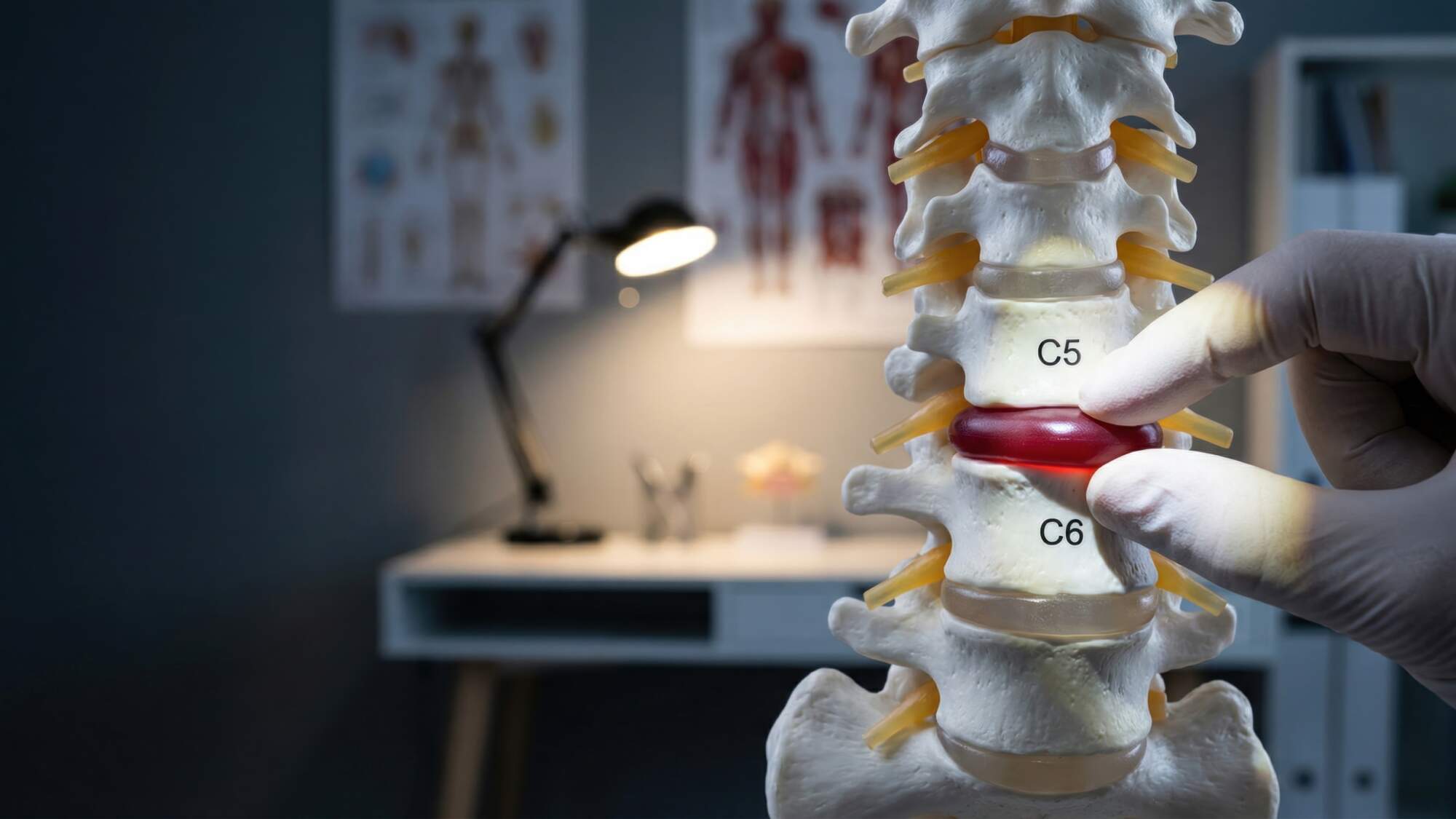
What Is a Subluxation?
A subluxation is a misalignment of one or more vertebrae in your spine. Unlike a complete dislocation (which is a medical emergency), a subluxation is a partial shift—subtle enough that you might not feel it at first, yet significant enough to interfere with how your spine functions and protects your nervous system.
Your spine does more than support your body; it houses and protects your nervous system, which controls everything from movement and sensation to organ function and immune response. When vertebrae slip out of their ideal alignment, they can restrict nerve signaling, limit spinal mobility, and trigger a cascade of downstream effects—some immediate, others slow-building.
The Symptom-Free Danger
Here’s what catches most people off guard: you can have a subluxation without knowing it. Many vertebral misalignments cause no immediate pain or obvious symptoms. You might feel fine, go about your week, and never suspect that a vertebra has drifted out of place.
This is precisely why subluxations are sometimes called “invisible injuries.” A misaligned vertebra doesn’t always announce itself with sharp pain. Instead, it may silently reduce your spine’s mobility, create muscle tension, or interfere with nerve function in ways you notice only weeks or months later—a dull ache, reduced flexibility, or a gradual decline in energy.
By the time symptoms show up, the misalignment may have been there for some time, causing cumulative stress to surrounding tissues and nerves.
Subluxations rarely appear overnight without a cause. Common culprits include poor posture (especially from desk work or screen time), repetitive strain, old injuries that healed incorrectly, stress-related muscle tension, sports impacts, or simply the wear and tear of daily life. Emotional stress, inadequate sleep, and even how you sit while driving can contribute to spinal misalignment over time.
Regular Adjustments Are Preventive Care
This is where the chiropractic philosophy shifts from reactive to proactive. Rather than waiting for pain to signal a problem, regular adjustments keep your spine aligned and your nervous system clear—before symptoms develop.
When Dr. Barton performs a chiropractic adjustment, she gently realigns vertebrae, restoring normal motion and nerve function. Regular adjustments help prevent the silent accumulation of misalignments that would otherwise build into bigger problems down the road. Think of it like dental checkups: you don’t wait until your teeth hurt to see the dentist; you visit regularly to catch and prevent issues early.
Preventive adjustments support better mobility, improved nerve signaling, reduced muscle tension, and enhanced overall wellness—often before you’d notice a problem at all.
Take Control of Your Spine Health
Understanding subluxations empowers you to shift from a reactive pain-management mindset to a proactive wellness approach. Your spine and nervous system are too important to ignore until something hurts. Regular chiropractic care keeps your spinal alignment optimized, your nervous system clear, and your body functioning at its best.
If you’ve never had a spinal evaluation or haven’t been in for an adjustment in a while, now is an excellent time to take that step. Dr. Barton can assess your spinal alignment, identify any subluxations, and develop a care plan tailored to your wellness goals—whether you’re managing existing pain or simply investing in your long-term health.
Call 708-922-1400 or visit our contact page.
Walking Into Fall

Fall Is a Critical Time for Balance and Gait
Autumn brings cooler weather, shorter days, and a shift in how we move through the world. We trade summer sneakers for boots, swap outdoor running for indoor gym routines, and spend more time on uneven terrain—wet leaves, icy patches, and unfamiliar paths. These seasonal changes aren’t just inconveniences; they can genuinely affect your balance, gait, and injury risk.
If you’ve ever noticed yourself feeling less steady as the seasons shift, you’re not alone. Many people experience a dip in confidence when walking, a subtle wobble they can’t quite explain, or an uptick in minor stumbles. Often, the culprit isn’t just the environment—it’s how your spine and nervous system are managing these transitions.
The Spine-Balance-Gait Connection
Your spine is far more than a structural pillar. It houses your nervous system and contains specialized sensors—called proprioceptors—that constantly communicate with your brain about where your body is in space. These sensors tell you how to stand upright, how to adjust your weight when stepping over obstacles, and how to catch yourself before a fall happens.
When your spine is misaligned, those proprioceptive signals get scrambled. Your brain receives fuzzy information about balance and body position, which throws off your gait. You may walk more cautiously, take shorter steps, or lean to one side without realizing it. Over time, this compensation pattern can lead to muscle imbalances, joint stress, and an increased risk of falls and injury.
A healthy, well-aligned spine keeps these signals clear and strong—supporting the smooth, confident movement that becomes even more important as we age or face seasonal hazards.
Fall Transitions That Throw Off Your Alignment
As summer fades, small changes compound. Heavier boots with thicker soles change how your feet strike the ground and send different signals up through your ankles, knees, and hips to your spine. If your spine isn’t optimally aligned, it struggles to adapt to this new feedback.
Activity shifts matter too. Summertime walking or hiking gives way to gym routines, or vice versa. Your legs and core may not be accustomed to new movement patterns, leaving your spine less supported. Additionally, reduced daylight can affect posture—many people unconsciously hunch forward or tense their shoulders during darker months, compressing spinal joints and reducing mobility.
On top of this, seasonal slowing can mean less movement overall. Muscles and connective tissues around your spine weaken without regular activity, making you more vulnerable to misalignment and poor balance.
Rather than waiting for a fall or injury to happen, many Homewood-area residents use chiropractic care to prepare their bodies for seasonal transitions. Regular adjustments restore proper spinal alignment, reinvigorate proprioceptive signaling, and keep your nervous system finely tuned. This means better balance, more efficient gait, and greater body awareness—all critical defenses against falls and injury.
During a chiropractic visit, Dr. Barton can identify misalignments that may compromise your balance and address them before they cause problems. She’ll also discuss how your fall footwear, activity changes, and postural habits are affecting your spine, offering practical guidance to keep you stable through the season.
Simple Steps for Fall Balance
Beyond chiropractic care, mindful movement helps. Wearing footwear with good support and grip, staying active even in shorter bursts, and being aware of posture during darker months all protect your alignment. Pay attention to how your body feels as you transition into fall—early intervention is far easier than injury recovery.
If you’ve noticed changes in your balance, gait, or confidence when walking as seasons change, now is the time to address them. A proactive chiropractic check-up can ensure your spine is ready for whatever fall brings.
Call 708-922-1400 or visit our contact page.