
Carrying Your Child
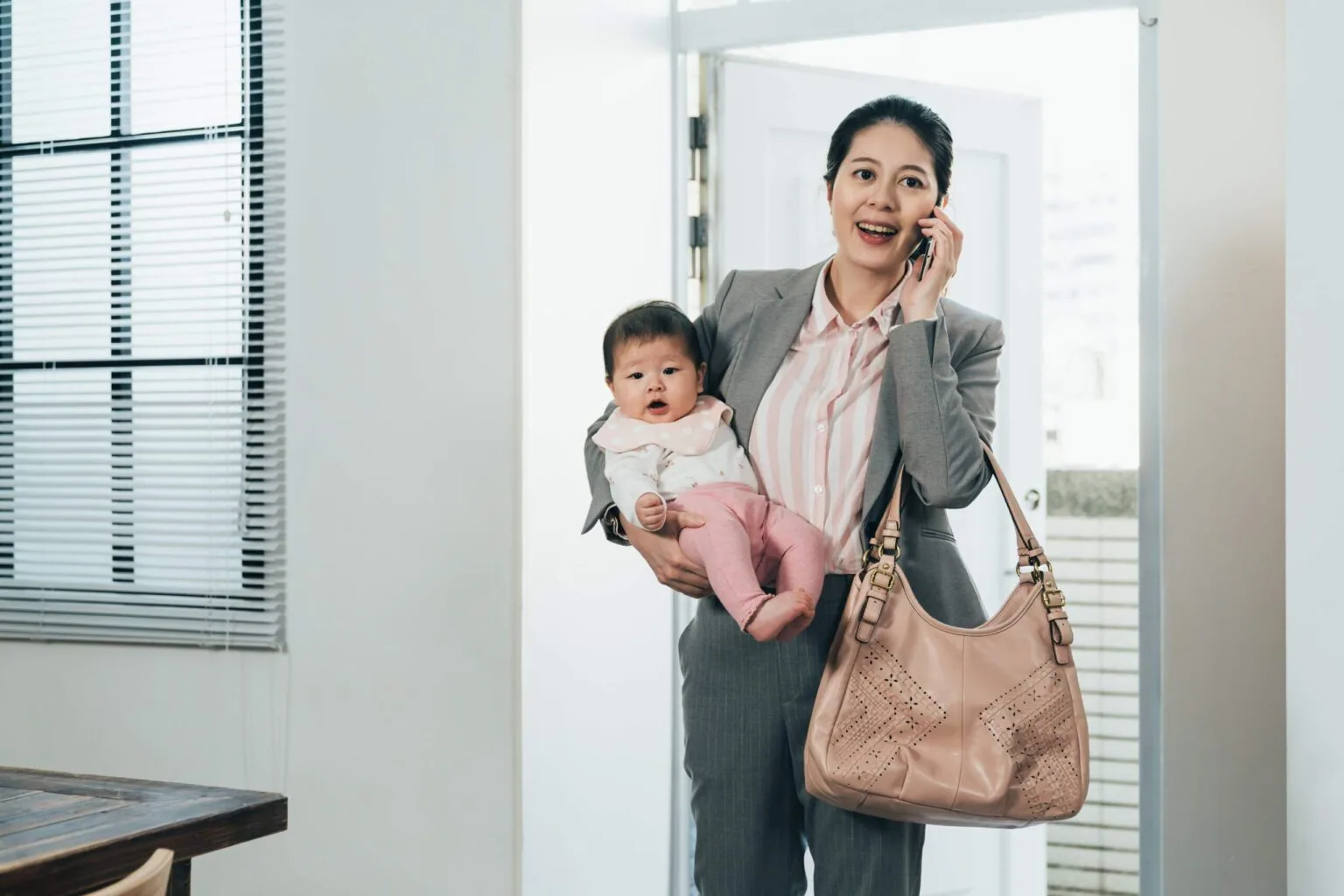
The Physical Demands of Parenthood
Being a parent is one of life’s great joys—and one of its most physically demanding roles. Whether you’re lifting a newborn from the crib, hoisting a toddler onto your hip, or carrying a growing child through the grocery store, your spine is working overtime. Most parents don’t realize that the repetitive strain of lifting, holding, and bending to care for children can lead to chronic back and neck pain that compounds over months and years.
The lumbar spine (lower back) bears the brunt of this strain, especially during lifting. The cervical spine (neck) suffers too, particularly when you’re cradling an infant or looking down at a child. Without proper body mechanics, what feels like a simple daily task can gradually misalign your spine and trigger pain that interferes with your ability to care for your family.
How to Lift, Hold, and Protect Your Spine
The way you lift your child sets the tone for spinal health. Many parents bend at the waist, using their back muscles to do the heavy work. This is a recipe for injury. Instead:
- Bend at your knees, not your waist. Squat down to your child’s level, keeping your spine neutral and your core engaged.
- Keep the child close to your body. The farther away they are from your center of gravity, the more stress your lower back bears. Hold them as close as possible.
- Lift with your legs. Your quadriceps and glutes are far stronger than your back muscles. Let them do the work.
- Avoid twisting while holding your child. If you need to turn, pivot your feet rather than rotating your spine.
- Ask for help. There’s no shame in accepting a partner’s or family member’s assistance, especially when you’re tired or your back is already strained.
Carrying Positions That Protect Your Spine
How you carry your child matters just as much as how you lift. Each carrying position places different demands on your spine.
Hip carry: This popular position—child balanced on one hip—can create asymmetrical load on your spine if overused. It’s fine for short periods, but switch sides frequently and don’t carry on the same hip for extended stretches.
Front carry: Holding your child in front of you, close to your torso, distributes weight more evenly. This is gentler on your spine, especially for longer periods.
Back carry: Once your child is old enough, carrying them on your back (in a proper carrier) frees your arms and distributes their weight down through your legs rather than pulling your spine forward.
Avoid chest-forward carries: Carrying your child extended away from your body, or leaning back to counterbalance their weight, puts excessive strain on your lumbar spine and disrupts your natural alignment.
Beyond deliberate lifting, parenthood is full of hidden spinal stressors. Bathing your child often requires bending over a tub at an awkward angle. Changing diapers on a low table can compress your lumbar discs. Pushing a stroller while hunched forward tightens your neck and shoulders. Even sleeping positions matter—if your child frequently sleeps in your bed or you’re hunching over a crib rail, you’re accumulating microtraumas that add up.
The key is awareness. Notice your posture during these routine tasks and adjust when possible. Raise your changing table height. Ensure your car seat and stroller are ergonomically positioned. Take frequent breaks and switch positions regularly.
Essential Maintenance for Parents
Even with perfect technique, the relentless physical demands of parenting take their toll. Regular chiropractic adjustments help catch misalignments before they become chronic pain. Dr. Barton works with parents in Homewood to assess their spine, identify problem areas, and keep them mobile and pain-free so they can fully enjoy their children without physical limitation.
If you’re experiencing back or neck pain from carrying your child, or you want to prevent it before it starts, chiropractic care is an investment in your long-term health and quality of life as a parent. Your spine supports everything you do—it deserves professional attention.
Ready to talk? Call 708-922-1400 or visit our contact page.