
Micro-Stress
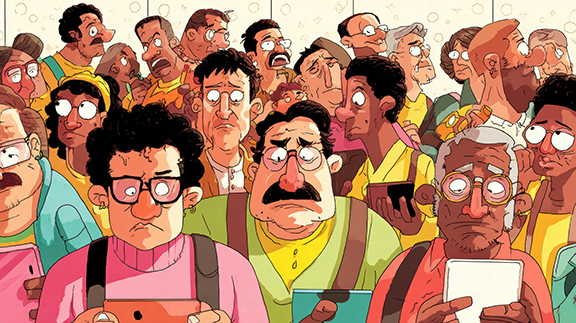
Most people think stress shows up as pain, injury, or burnout. But long before that happens, the body experiences micro-stress—small, repeated physical tensions that quietly accumulate over time.
Micro-stress doesn’t usually announce itself. You may not wake up in pain or feel “injured.” Instead, your body feels tighter, less flexible, or slower to recover. Energy drops. Movements feel restricted. You feel stiff after sitting, standing, or sleeping, even though nothing dramatic happened.
These small physical tensions come from everyday life. Hours at a desk. Repetitive movements. Holding your phone in the same position. Driving. Emotional stress that never fully resolves. Individually, none of these seem significant. Together, they place constant low-level demand on your muscles, joints, and nervous system.
Your body adapts to this stress by compensating. Muscles stay slightly contracted. Joints move less freely. The nervous system remains on alert. Over time, these adaptations become your new “normal.” This is why many people say, “I thought this was just how my body was now.”
The challenge with micro-stress is that it doesn’t always cause immediate pain. Instead, it reduces resilience. When the body loses adaptability, even minor stressors—an awkward movement, poor sleep, or a busy week—can feel overwhelming. This is often when discomfort finally shows up, even though the real issue has been building for months or years.
Chiropractic care looks at how these small physical tensions affect the spine and nervous system over time. Rather than waiting for symptoms to escalate, chiropractic adjustments help restore motion, reduce unnecessary tension, and support the body’s ability to adapt. When movement improves and the nervous system functions more efficiently, the body handles daily stress with less effort.
Addressing micro-stress early can make a meaningful difference. People often notice they move more freely, recover faster, and feel more comfortable in their bodies overall. It’s not about fixing one problem—it’s about preventing many small stresses from becoming a bigger one.
If your body feels tighter, less responsive, or slower to bounce back, micro-stress may be playing a role. Paying attention to these subtle signals can help you stay ahead of discomfort and support long-term physical well-being.
Click here to contact Barton Chiropractic Clinic or call 708-922-1400