
Archive for December 2025
A New Year Alignment

A Better Way to Support Your Health
The New Year often brings a desire to feel better in your body, move with less effort, and start fresh after months of accumulated stress. While many people focus on new routines or fitness goals, how the body actually moves and adapts is just as important.
Daily habits like sitting, driving, working at a computer, and scrolling on a phone gradually affect posture and spinal movement. Over time, these patterns can lead to stiffness, tension, or recurring discomfort that becomes easy to ignore but hard to escape. Supporting healthy movement early in the year can make a meaningful difference in how your body feels and functions long term.
Rather than focusing only on pain, our approach looks at how the spine, joints, and nervous system work together. When movement improves, the body often responds with better balance, flexibility, and energy. Many people notice they recover more easily from physical stress and feel more capable of maintaining healthy habits when their body moves well.
The New Year is also a natural time to address how stress shows up physically. Tension commonly settles into the neck, shoulders, and lower back during demanding seasons of life. Gentle, consistent chiropractic care helps release that stored strain and supports a calmer nervous system. As the body relaxes, sleep often improves, and mental clarity becomes easier to access.
Prevention plays an important role as well. Small changes in mobility or recurring tightness can signal deeper imbalances. Addressing them early helps reduce the risk of injury and supports long-term comfort as the year unfolds.
True health isn’t built through short-term resolutions. It develops through consistency, awareness, and choices that support the body over time. When alignment and movement are supported, the body becomes more resilient and adaptable.
As you step into the New Year, consider starting with how your body moves. A well-supported foundation allows you to engage more fully in work, family, and daily life with greater ease and confidence.
Happy New Year!
Click here to contact Barton Chiropractic Clinic or call 708-922-1400
Muscle Pain

The Difference Between Muscle Pain and Nervous System Overload
Many people assume that all pain comes from tight or injured muscles. While muscles certainly play a role, they are often not the true source of ongoing discomfort. In many cases, pain reflects nervous system overload, not simple muscle strain. Understanding the difference helps explain why pain sometimes lingers even after rest, stretching, or massage.
Muscle pain usually develops after overuse, injury, or sudden strain. You might notice soreness, stiffness, or tenderness in a specific area. This type of pain often improves with rest, heat, hydration, gentle movement, or manual therapy. Muscles heal relatively quickly when they receive proper blood flow and recovery time. If muscle pain were the whole story, most people would feel better within days.
However, many patients experience pain that behaves differently. It comes and goes unpredictably, feels widespread, or persists despite doing “all the right things.” This pattern often points to nervous system overload.
Your nervous system controls how your body perceives pain, tension, and stress. When it becomes overloaded, it stays stuck in a heightened state of alert. Poor posture, chronic stress, spinal misalignment, lack of sleep, and repetitive strain can all overwhelm the nervous system. Instead of relaxing, the body remains guarded and tense. Muscles tighten as a protective response, but they are reacting to faulty nerve signaling—not causing the problem themselves.
Nervous system overload can show up as muscle tightness, headaches, jaw tension, fatigue, poor sleep, or pain that moves from one area to another. You may also feel sensitive to touch or notice that small stresses trigger big reactions. In these cases, treating muscles alone brings only temporary relief.
Chiropractic adjustments help restore proper spinal motion and improve communication between the brain and body. By reducing interference in the nervous system, chiropractic care allows muscles to relax naturally instead of being forced to release. Over time, the body shifts out of a constant “fight or flight” state and into a healthier balance.
Pain is not always a sign of tissue damage. Often, it is a signal that the nervous system needs support. By addressing the root cause rather than chasing symptoms, Dr. Barton can help the body heal more effectively and function at a higher level.
If pain keeps returning or never fully resolves, it may be time to look beyond muscles and consider the health of your nervous system.
Click here to contact Barton Chiropractic Clinic or call 708-922-1400
Spinal Health
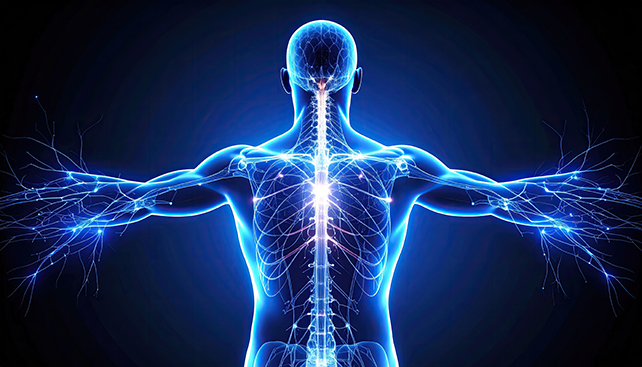
Why Pain Isn’t the Best Indicator of Spinal Health
Many people believe that if they are not in pain, their spine must be healthy. While pain often brings patients into a chiropractic office, it is not the most reliable indicator of spinal health. In fact, relying solely on pain can allow underlying issues to progress unnoticed for years.
The spine protects the nervous system, which controls every function in the body. When spinal joints lose proper motion or alignment, they can interfere with nerve communication long before pain appears. The body is highly adaptable, so it often compensates for restricted movement, imbalances, or stress without producing immediate symptoms. By the time pain shows up, dysfunction has usually existed for quite some time.
Pain functions as a warning signal, not a measurement of overall health. Some of the most significant spinal issues—such as joint degeneration, postural changes, or reduced mobility—often develop quietly. Many patients feel “fine” while their spine gradually loses flexibility and resilience. This loss of motion can affect balance, coordination, energy levels, and even how efficiently the body heals itself.
Another reason pain can mislead people is that it fluctuates. Stress, sleep, hydration, and activity levels all influence pain perception. A decrease in pain does not always mean the problem has resolved. It may simply mean the body has adapted again. Without addressing the underlying spinal dysfunction, the issue often returns, sometimes worse than before.
We focus on restoring proper movement and function to the spine, not just reducing pain. Dr. Barton will assess joint mobility, posture, spinal alignment, and nervous system function to identify issues that pain alone does not reveal. Regular chiropractic adjustments help maintain spinal motion, support healthy nerve communication, and improve the body’s ability to adapt to physical and emotional stress.
When patients shift their focus from pain relief to spinal health, they often experience broader benefits. Improved mobility, better posture, increased energy, and greater overall resilience frequently follow. Many patients also report fewer flare-ups and a quicker recovery when stress or physical strain occurs.
Pain can be a useful signal, but it should not be the only guide for spinal care. A healthy spine supports a healthier, more adaptable body. Chiropractic care helps address problems early, before pain becomes the motivator. By prioritizing function over symptoms, patients take a proactive approach to long-term spinal health and overall well-being.
Click here to contact Barton Chiropractic Clinic or call 708-922-1400
Digital Fatigue

The New Back Pain:
How Screen Time Rewires Your Spine
In today’s world, digital fatigue has quietly become the new form of back pain. People spend hours sitting, scrolling, typing, and staring at screens, often without noticing how their posture shifts over time. Your body wasn’t designed to hold the same position all day, and your spine responds quickly to the stress. The more time you spend on a device, the harder your muscles and joints work to keep you upright, balanced, and focused.
When you look down at your phone, the weight on your neck increases dramatically. A head that normally weighs about 10 pounds can suddenly feel like 40 or 50 pounds as the spine tilts forward. This constant strain rewires your posture, tightens your shoulders, and weakens the stabilizing muscles around your spine. Over time, this creates pain, stiffness, reduced flexibility, and headaches. That’s why digital fatigue isn’t just an annoyance—it’s a pattern your spine begins to memorize.
Your nervous system also feels the effects. Screen time keeps your brain in a heightened state of focus. Your body holds tension without you realizing it, especially in the neck, upper back, and jaw. Chiropractic adjustments help break this pattern by restoring motion to the spine and calming the overstimulated nerves that keep your body locked in “tech posture.” When the spine moves better, your brain receives clearer information and your muscles relax naturally.
Chiropractic care gives your body a reset from digital fatigue. Adjustments improve mobility in stiff joints, reduce inflammation, and release pressure that builds around the neck and shoulders. Patients often notice clearer thinking, easier breathing, and better sleep after restoring balance to the spine. And when the spine functions better, your posture naturally improves, even during long days at a desk or on a device.
You can protect yourself from digital fatigue by adding small habits to your day. Sitting up straight, taking standing breaks, stretching your chest, and lifting your phone to eye level all reduce stress on your spine. But the most effective way to counteract screen-related strain is to keep your spine aligned, mobile, and supported through regular chiropractic care.
Your digital world isn’t going away—but your pain doesn’t need to stay. When you take care of your spine, you stay comfortable, energized, and focused, no matter how much time you spend on a screen. Chiropractic care keeps your body resilient so digital fatigue doesn’t become your new normal.
Click here to contact Barton Chiropractic Clinic or call 708-922-1400
Your Feet
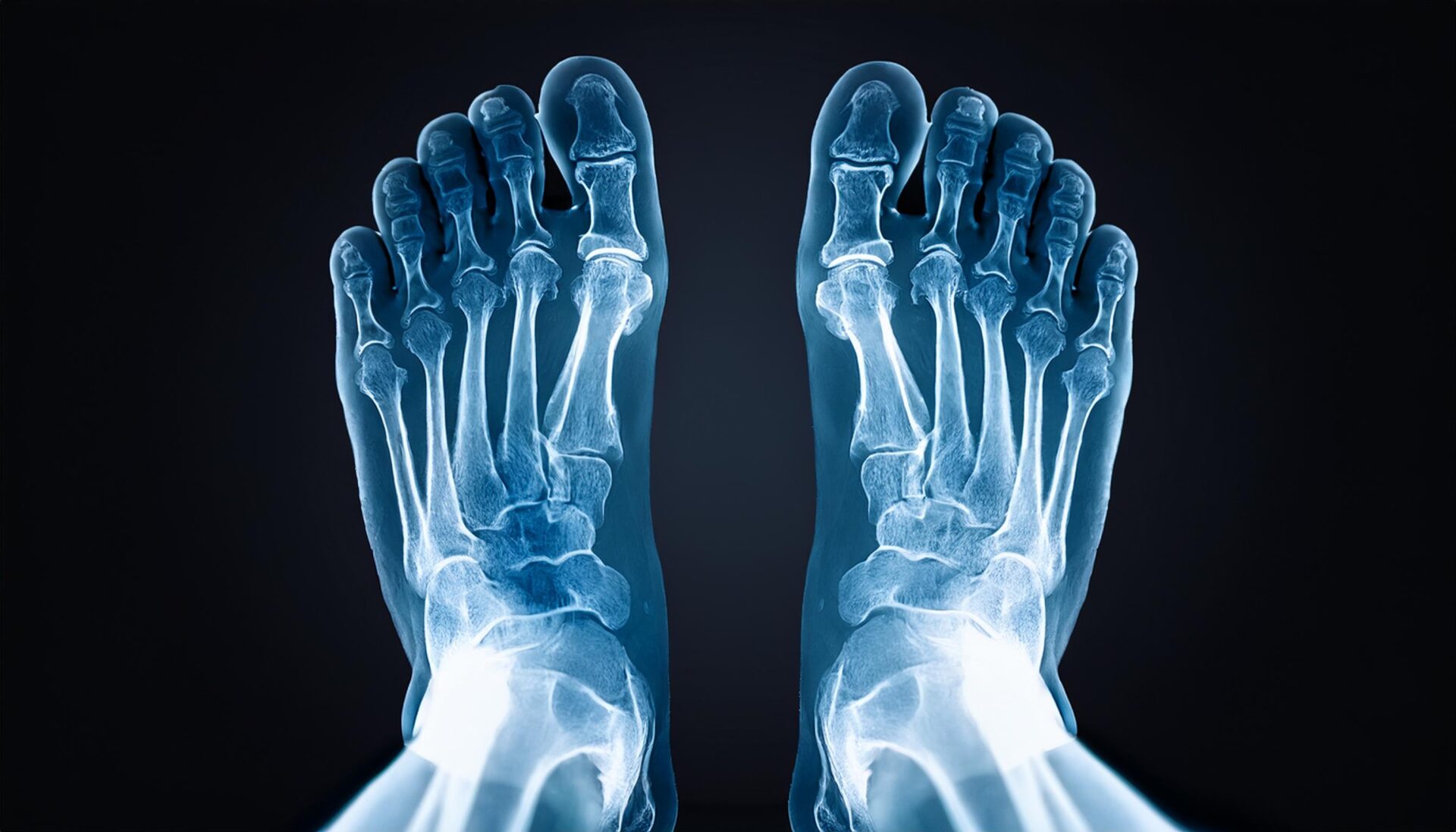
When most people think about back pain, they picture the spine, the muscles, or maybe even a pulled ligament. But one of the most overlooked causes of chronic back pain starts much lower in the body—your feet. We help patients every day who are shocked to learn that their foot mechanics have been affecting their spine for years.
Your Feet Are Your Foundation
Your feet act as the foundation for your entire body. Every step you take sends force upward through your ankles, knees, hips, and finally your spine. When your feet function properly, your body stays aligned and balanced. But when something is off—flat feet, high arches, overpronation, or weak arches—your foundation becomes unstable, and your spine is forced to compensate.
That compensation often leads to:
- Lower back pain
- Pelvic misalignment
- Hip tightness
- Sciatica
- Knee discomfort
In other words, foot problems don’t stay in your feet—they travel upward.
Foot imbalance changes the way your body absorbs impact. With each step, uneven mechanics cause one side of your pelvis or spine to receive more force than the other. Over time, this imbalance creates inflammation, joint stress, and muscle fatigue through the whole back.
Common contributors include:
- Flat feet or collapsed arches
- Uneven wear on shoes
- Walking on hard surfaces all day
- Old or unsupportive footwear
- Previous ankle or foot injuries
Even a small foot imbalance can throw off the natural alignment of your spine.
The good news? Back pain caused by your feet is highly treatable. Chiropractic adjustments restore alignment in the spine and pelvis, reducing pain and improving movement. Combined with a foot-focused approach, results are often faster and longer-lasting.
We may recommend:
- Targeted spinal adjustments
- Pelvic and hip alignment
- Custom orthotics or arch support
- Strengthening or mobility exercises for feet and ankles
- Practical footwear recommendations
When your feet move correctly, your back doesn’t have to work overtime.
If you’ve tried everything for back pain and nothing seems to stick, it may be time to look down. Your feet might be the missing piece. With the right chiropractic care and support, you can rebuild your foundation—and finally get lasting relief.
Click here to contact Barton Chiropractic Clinic or call 708-922-1400