
Blog
The Smartphone Neck Effect in Teens: Why Texting Posture Matters

A New Generation, a Growing Problem
Teens today spend an average of several hours per day on their phones—texting, scrolling, and gaming. While technology connects them to friends and information, there’s a hidden physical cost many families don’t realize until pain or stiffness sets in. The problem isn’t just about today’s discomfort; it’s about the cumulative damage that poor phone posture can create over years of teenage development.
Unlike adults with fully developed spines, teens’ vertebrae and growth plates are still forming. The repetitive strain of looking down at a phone places stress on the cervical spine (neck) during a critical window when good habits—or bad ones—are being cemented into place.
Why Teen Texting Posture Is Different
When a teen holds a phone at chest or waist level and bends their neck to look down, they’re not just tilting their head. For every 15 degrees you bend your neck forward, the effective weight on your cervical spine increases dramatically. A typical teen head weighs 10–12 pounds; poor posture can increase that load to 27 pounds or more. Over hours of texting, gaming, or social media scrolling, the neck muscles work overtime to support that extra strain.
The problem compounds because teens often slouch while using phones—rounding the upper back and collapsing the shoulders forward. This posture stretches ligaments, fatigues muscles, and misaligns vertebrae. And unlike a one-time injury, this happens repeatedly, day after day, month after month, year after year.
The Long-Term Picture
Teens may not feel acute pain immediately, which is why this habit is so dangerous. The spine is incredibly adaptable—but that adaptability cuts both ways. Poor posture reinforced during the teenage years can lead to:
- Chronic neck and shoulder pain in early adulthood
- Accelerated disc wear and degeneration
- Headaches and migraines triggered by cervical tension
- Reduced mobility and range of motion
- Postural habits that become harder to break the longer they’re ingrained
What feels like a small daily habit now can become a structural problem by age 25 or 30. The good news? It’s preventable.
Building Better Habits Now
The key is awareness and intentional change. Teens should be encouraged to:
- Bring the phone to eye level instead of looking down—hold it at chin height or use a phone stand
- Take regular breaks every 20–30 minutes to rest their neck and refocus their eyes
- Strengthen their neck and core through movement and exercise to support good posture
- Practice mindful positioning—sitting upright with shoulders relaxed, not hunched forward
Preventive Chiropractic Care Matters for Teens
Chiropractic care for teens isn’t just about treating pain—it’s about preventing it. Dr. Barton can assess your teen’s spinal alignment, identify early signs of postural stress, and help correct misalignments before they become chronic. Regular adjustments, combined with postural education and ergonomic guidance, can interrupt the cycle of strain and set your teen up for a healthier spine in adulthood.
Think of it like orthodontics for the spine: small interventions now prevent bigger problems later. By addressing tech neck habits and spinal health during the teenage years, you’re investing in a lifetime of better posture, fewer pain issues, and greater overall wellness.
If your teen is spending hours on their phone each day, now is the time to intervene—not after chronic pain develops. Dr. Barton works with families in Homewood and the surrounding area to help teens build healthy spinal habits that will serve them well into adulthood.
Call 708-922-1400 or visit our contact page.
Joint Stiffness

The Cold-Weather Pain Connection
As fall transitions into winter, many people with chronic pain or arthritis notice their symptoms flare up. Aching joints, stiffness that lingers longer in the morning, and reduced mobility are common complaints as temperatures drop. This isn’t just in your head—there’s solid science behind why cold weather intensifies joint pain and stiffness.
Understanding what happens to your body in cold weather empowers you to take proactive steps now, before winter arrives in full force. Rather than waiting out the painful months, you can adopt habits and seek care that keeps your joints mobile and your spine aligned throughout the season.
How Cold Affects Your Joints and Muscles
Cold temperature causes several physiological changes that directly impact your musculoskeletal system. When exposed to cold, blood vessels constrict—a process called vasoconstriction—to preserve core body heat. This reduced blood flow means fewer oxygen and nutrients reach your joints and muscles, causing them to stiffen and ache.
Additionally, cold makes synovial fluid (the lubricant inside joints) more viscous, or thick. Imagine honey in a warm kitchen versus a freezer; it moves more slowly when cold. This thickening reduces joint mobility and increases friction, making movement feel harder and more uncomfortable.
Your muscles also tighten in response to cold. This protective muscle guarding is your body’s natural attempt to conserve heat, but it can create tension patterns that pull your spine out of alignment and compress nerves—a recipe for pain that can persist long after you come indoors.
Barometric Pressure and Tissue Expansion
Research suggests that drops in barometric pressure (common before winter storms) may cause tissues in and around joints to expand slightly. This expansion can increase pressure inside the joint capsule, intensifying pain—especially for people with arthritis or previous injuries.
Proactive Care for Winter Comfort
Waiting for pain to worsen is reactive. Instead, schedule a chiropractic adjustment now, before winter weather arrives. Regular adjustments keep your spine aligned, reduce nerve compression, and improve overall mobility. Proper alignment means your body moves more efficiently, your muscles don’t overcompensate, and your joints experience less stress—all huge advantages when cold weather tries to stiffen you up.
Adjustments also improve circulation and reduce muscular tension, helping counteract the blood-flow restriction cold naturally causes.
Movement and Mobility Habits
Stay active indoors. Cold-weather inactivity is a pain amplifier. Gentle stretching, yoga, or indoor walking keeps synovial fluid mobile and maintains muscle flexibility. Even 10–15 minutes of movement in the morning can make a noticeable difference in how you feel throughout the day.
When you do go outside, warm up your body first. Cold muscles are tight muscles. A few minutes of light activity indoors before heading into the cold gives your body a head start.
Ergonomics of Winter Layering and Posture
Bundling up is necessary, but bulky clothing can affect your posture if you’re not mindful. Heavy winter coats and multiple layers can create shoulder tension and pull your head forward as you adjust to the added weight and bulk. Here’s how to layer smart:
- Choose fitted base layers. Thick, loose clothing can throw off your balance and posture. Fitted thermal layers provide warmth without the bulk.
- Distribute weight evenly. When wearing a heavy coat, adjust how you sit and stand. Don’t let the coat’s weight pull your shoulders forward or down.
- Support your neck. Scarves and high collars can encourage a forward head posture. Wear them loosely enough that you can maintain neutral neck alignment.
- Mind your bag. If you carry a winter bag or backpack, balance the load across both shoulders to avoid asymmetrical spinal stress.
Start Now, Stay Comfortable All Winter
The best time to address winter joint stiffness is before the cold arrives. A chiropractic adjustment, combined with consistent movement and posture awareness, sets you up for a winter free of unnecessary pain. Don’t let cold weather dictate your comfort—take control now.
If you’re experiencing chronic pain or joint stiffness, or if you’d like to prepare your spine and joints for the colder months ahead, reach out to schedule your appointment with Dr. Diane Barton in Homewood. Proactive care today means better mobility and comfort tomorrow.
Ready to talk? Call 708-922-1400 or visit our contact page.
Teen Sports

The Foundation of Athletic Performance
Young athletes push their bodies hard. Whether your teen is sprinting down a soccer field, jumping for a rebound, or diving for a volleyball, every movement depends on a stable, aligned spine. Many parents focus on training volume, equipment, and nutrition—all important—but overlook the musculoskeletal foundation that makes explosive movement, balance, and endurance possible. Proper spinal alignment isn’t just about avoiding pain; it’s about unlocking your athlete’s full potential.
The spine houses the central nervous system, which controls every muscle contraction and movement your young athlete makes. When vertebrae drift out of alignment—a condition chiropractors call a subluxation—nerve function becomes compromised. That means slower reaction times, reduced power output, and a higher risk of injury. Preventive chiropractic care corrects these misalignments before they cascade into sprains, strains, or more serious damage.
Spinal Alignment Enhances Athletic Performance
A properly aligned spine allows your teen athlete to:
- Generate more power: Proper spinal mechanics transfer force from the core through the legs and arms, amplifying speed and strength in movements like kicking, throwing, and cutting.
- Move with better balance and coordination: The inner ear and proprioceptive system rely on healthy nerve signaling from the spine. Alignment improves body awareness and agility on the court or field.
- Breathe more efficiently: Spinal misalignments can restrict rib cage mobility and diaphragmatic breathing, limiting oxygen intake during intense exertion. Better alignment supports deeper, more efficient breathing under pressure.
- React faster: Clear nerve pathways mean quicker communication between brain and muscles, crucial for split-second decisions in competitive play.
The Injury Prevention Advantage
Youth sports injuries often result from cumulative stress rather than a single catastrophic moment. Repetitive movements—the hundreds of jump shots, long kicks, or shoulder rotations performed during practice and games—place strain on joints and soft tissues. If the spine is misaligned, that stress distributes unevenly, overloading certain areas and creating hot spots for injury.
Regular chiropractic care from Dr. Barton identifies and corrects these small misalignments before they escalate. Dr. Barton can spot postural imbalances, restricted joint mobility, and muscle compensation patterns that increase injury risk. For athletes in high-demand sports like football, basketball, soccer, and volleyball—where directional changes, jumping, and full-body contact are constant—this preventive approach is invaluable.
Young athletes are also still developing. Their growth plates are active, their muscles are lengthening, and their coordination is still maturing. Maintaining proper spinal alignment during these critical years establishes healthy movement patterns that reduce injury risk both now and in the future.
Faster Recovery
Even with excellent alignment, young athletes sometimes experience minor sprains, strains, or muscle soreness. Proper spinal health accelerates recovery. A well-aligned spine supports optimal circulation, reduces inflammation, and allows the nervous system to coordinate the body’s natural healing response more effectively. This means your teen returns to full participation sooner and with less risk of re-injury or compensation injuries.
Chiropractic adjustments from Dr. Barton also help restore mobility after injury. Rather than settling into prolonged rest—which can actually weaken muscles and slow recovery—your athlete benefits from active, supported rehabilitation that keeps them moving while healing occurs.
A Proactive Investment in Your Athlete’s Future
The difference between a young athlete who peaks at 16 and one who reaches their full potential at 18 or beyond often comes down to foundational health decisions made early. Regular spinal checkups, proper alignment, and preventive care aren’t reactive treatments—they’re investments in longevity, performance, and confidence on the field.
If your teen athlete is serious about their sport, spinal alignment should be part of their training regimen, just like conditioning and skill work. Dr. Barton helps Homewood-area young athletes maintain peak spinal health, prevent injuries before they happen, and perform at their best when it counts most. Whether your athlete is in the middle of a season or in the off-season, now is an excellent time to assess alignment and establish a preventive care routine.
Call 708-922-1400 or visit our contact page.
The Invisible Injury
What Is a Subluxation?
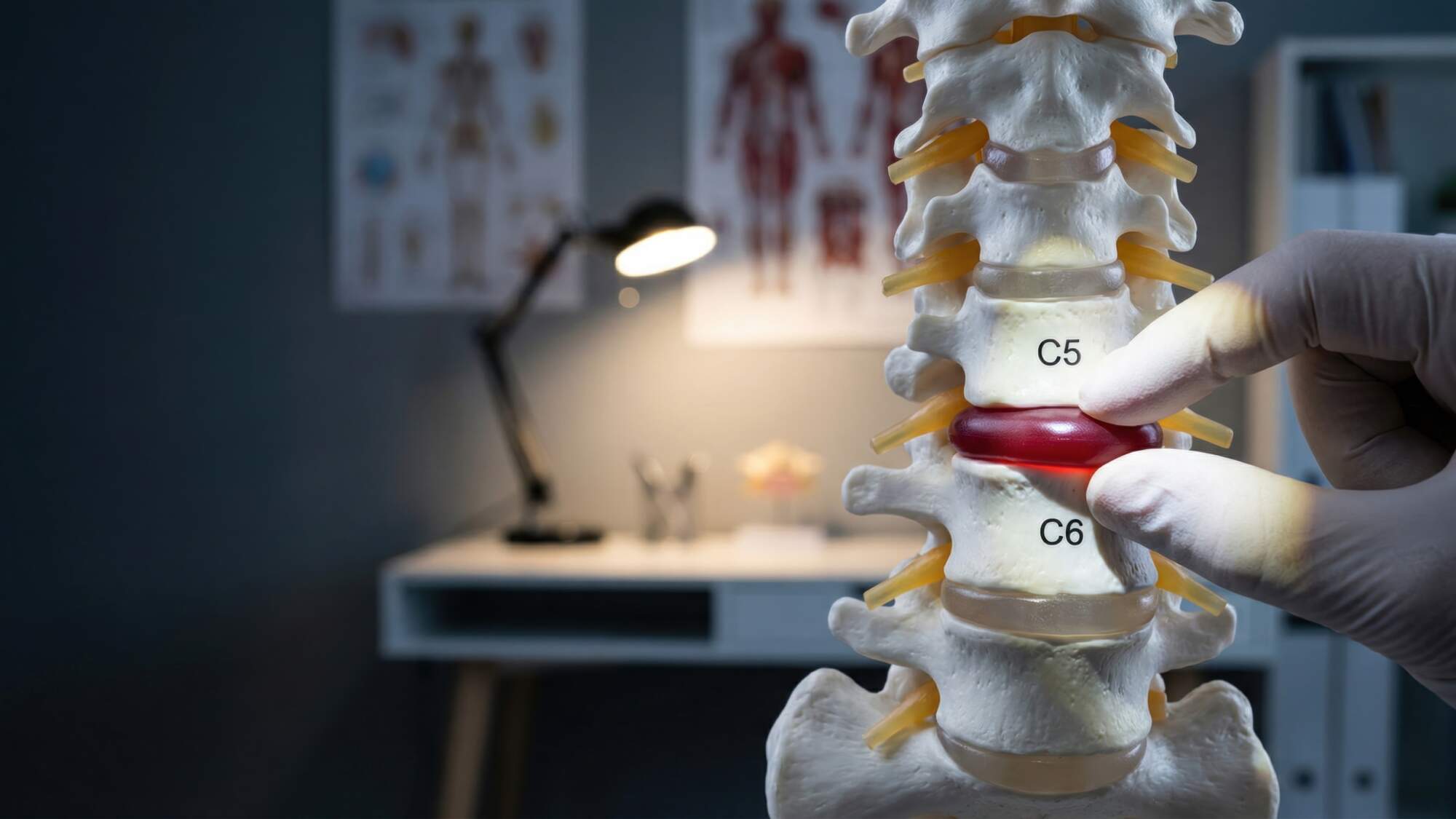
A subluxation is a misalignment of one or more vertebrae in your spine. Unlike a complete dislocation (which is a medical emergency), a subluxation is a partial shift—subtle enough that you might not feel it at first, yet significant enough to interfere with how your spine functions and protects your nervous system.
Your spine does more than support your body; it houses and protects your nervous system, which controls everything from movement and sensation to organ function and immune response. When vertebrae slip out of their ideal alignment, they can restrict nerve signaling, limit spinal mobility, and trigger a cascade of downstream effects—some immediate, others slow-building.
The Symptom-Free Danger
Here’s what catches most people off guard: you can have a subluxation without knowing it. Many vertebral misalignments cause no immediate pain or obvious symptoms. You might feel fine, go about your week, and never suspect that a vertebra has drifted out of place.
This is precisely why subluxations are sometimes called “invisible injuries.” A misaligned vertebra doesn’t always announce itself with sharp pain. Instead, it may silently reduce your spine’s mobility, create muscle tension, or interfere with nerve function in ways you notice only weeks or months later—a dull ache, reduced flexibility, or a gradual decline in energy.
By the time symptoms show up, the misalignment may have been there for some time, causing cumulative stress to surrounding tissues and nerves.
Subluxations rarely appear overnight without a cause. Common culprits include poor posture (especially from desk work or screen time), repetitive strain, old injuries that healed incorrectly, stress-related muscle tension, sports impacts, or simply the wear and tear of daily life. Emotional stress, inadequate sleep, and even how you sit while driving can contribute to spinal misalignment over time.
Regular Adjustments Are Preventive Care
This is where the chiropractic philosophy shifts from reactive to proactive. Rather than waiting for pain to signal a problem, regular adjustments keep your spine aligned and your nervous system clear—before symptoms develop.
When Dr. Barton performs a chiropractic adjustment, she gently realigns vertebrae, restoring normal motion and nerve function. Regular adjustments help prevent the silent accumulation of misalignments that would otherwise build into bigger problems down the road. Think of it like dental checkups: you don’t wait until your teeth hurt to see the dentist; you visit regularly to catch and prevent issues early.
Preventive adjustments support better mobility, improved nerve signaling, reduced muscle tension, and enhanced overall wellness—often before you’d notice a problem at all.
Take Control of Your Spine Health
Understanding subluxations empowers you to shift from a reactive pain-management mindset to a proactive wellness approach. Your spine and nervous system are too important to ignore until something hurts. Regular chiropractic care keeps your spinal alignment optimized, your nervous system clear, and your body functioning at its best.
If you’ve never had a spinal evaluation or haven’t been in for an adjustment in a while, now is an excellent time to take that step. Dr. Barton can assess your spinal alignment, identify any subluxations, and develop a care plan tailored to your wellness goals—whether you’re managing existing pain or simply investing in your long-term health.
Call 708-922-1400 or visit our contact page.
Walking Into Fall

Fall Is a Critical Time for Balance and Gait
Autumn brings cooler weather, shorter days, and a shift in how we move through the world. We trade summer sneakers for boots, swap outdoor running for indoor gym routines, and spend more time on uneven terrain—wet leaves, icy patches, and unfamiliar paths. These seasonal changes aren’t just inconveniences; they can genuinely affect your balance, gait, and injury risk.
If you’ve ever noticed yourself feeling less steady as the seasons shift, you’re not alone. Many people experience a dip in confidence when walking, a subtle wobble they can’t quite explain, or an uptick in minor stumbles. Often, the culprit isn’t just the environment—it’s how your spine and nervous system are managing these transitions.
The Spine-Balance-Gait Connection
Your spine is far more than a structural pillar. It houses your nervous system and contains specialized sensors—called proprioceptors—that constantly communicate with your brain about where your body is in space. These sensors tell you how to stand upright, how to adjust your weight when stepping over obstacles, and how to catch yourself before a fall happens.
When your spine is misaligned, those proprioceptive signals get scrambled. Your brain receives fuzzy information about balance and body position, which throws off your gait. You may walk more cautiously, take shorter steps, or lean to one side without realizing it. Over time, this compensation pattern can lead to muscle imbalances, joint stress, and an increased risk of falls and injury.
A healthy, well-aligned spine keeps these signals clear and strong—supporting the smooth, confident movement that becomes even more important as we age or face seasonal hazards.
Fall Transitions That Throw Off Your Alignment
As summer fades, small changes compound. Heavier boots with thicker soles change how your feet strike the ground and send different signals up through your ankles, knees, and hips to your spine. If your spine isn’t optimally aligned, it struggles to adapt to this new feedback.
Activity shifts matter too. Summertime walking or hiking gives way to gym routines, or vice versa. Your legs and core may not be accustomed to new movement patterns, leaving your spine less supported. Additionally, reduced daylight can affect posture—many people unconsciously hunch forward or tense their shoulders during darker months, compressing spinal joints and reducing mobility.
On top of this, seasonal slowing can mean less movement overall. Muscles and connective tissues around your spine weaken without regular activity, making you more vulnerable to misalignment and poor balance.
Rather than waiting for a fall or injury to happen, many Homewood-area residents use chiropractic care to prepare their bodies for seasonal transitions. Regular adjustments restore proper spinal alignment, reinvigorate proprioceptive signaling, and keep your nervous system finely tuned. This means better balance, more efficient gait, and greater body awareness—all critical defenses against falls and injury.
During a chiropractic visit, Dr. Barton can identify misalignments that may compromise your balance and address them before they cause problems. She’ll also discuss how your fall footwear, activity changes, and postural habits are affecting your spine, offering practical guidance to keep you stable through the season.
Simple Steps for Fall Balance
Beyond chiropractic care, mindful movement helps. Wearing footwear with good support and grip, staying active even in shorter bursts, and being aware of posture during darker months all protect your alignment. Pay attention to how your body feels as you transition into fall—early intervention is far easier than injury recovery.
If you’ve noticed changes in your balance, gait, or confidence when walking as seasons change, now is the time to address them. A proactive chiropractic check-up can ensure your spine is ready for whatever fall brings.
Call 708-922-1400 or visit our contact page.
Headaches

The Link Between Your Neck and Your Headaches
If you suffer from frequent headaches, you’ve probably reached for pain relievers more times than you’d like to admit. But here’s something many people don’t realize: your headaches might not originate in your head at all. They could be coming from your neck and spine.
This type of headache is called a cervicogenic headache, and it’s far more common than most people think. Unlike migraines or tension headaches that develop from other triggers, cervicogenic headaches are rooted in a musculoskeletal problem—specifically, tension, stiffness, or misalignment in your cervical spine (neck region).
Your Spine and Headaches Connect
Your cervical spine is a complex structure made up of seven vertebrae, nerves, muscles, and ligaments all working together to support your head and allow movement. When vertebrae become misaligned (a condition chiropractors call a “subluxation”), or when the muscles around your neck tighten up, they can irritate nerves that run from your neck up into your scalp and head.
The result? Pain that feels like it’s happening in your head, even though the real problem is in your neck. This referred pain can feel like pressure, throbbing, or a dull ache that radiates from the base of your skull forward toward your temples or forehead.
Poor posture is one of the biggest culprits. When you spend hours hunched over a desk, looking down at your phone, or sitting with your shoulders rounded forward, you’re placing extra stress on the cervical vertebrae and the muscles that support them. Over time, this chronic tension can trigger recurring headaches.
Cervicogenic Headaches vs. Other Types
Understanding what kind of headache you’re experiencing matters, because the treatment approach differs. Here’s how cervicogenic headaches stand apart:
- Cervicogenic headaches typically start at the base of the skull or neck and radiate upward. They often feel worse on one side. Turning your head, holding your head in one position for too long, or applying pressure to your neck can make them worse.
- Tension headaches feel like a tight band around your head and are usually triggered by stress, lack of sleep, or muscle tension throughout the body.
- Migraines are neurological events often accompanied by nausea, light sensitivity, or visual disturbances, and are typically triggered by factors like hormones, certain foods, or environmental changes.
The key difference is that cervicogenic headaches have a mechanical, structural cause in your neck—which means they respond exceptionally well to hands-on treatment like chiropractic care.
Pain Relievers Aren’t Enough
Over-the-counter pain medication might temporarily ease your headache, but it doesn’t address what’s actually causing it. You’re treating the symptom, not the root problem. If your headaches are cervicogenic, they’ll keep coming back as long as the underlying spinal misalignment or muscle tension remains.
Chiropractic Care Helps
Dr. Barton can identify whether your headaches have a spinal origin by performing a thorough examination, including assessing your posture, range of motion, and spinal alignment. If a cervical subluxation or muscle tension is found, chiropractic adjustments can realign your vertebrae and relieve pressure on irritated nerves.
Beyond adjustments, your Dr. Barton can recommend posture corrections, stretches, and lifestyle modifications to prevent headaches from recurring. This comprehensive, root-cause approach means you’re not just managing pain—you’re actually solving the problem.
If you’ve been battling frequent headaches without relief, it’s worth exploring whether your spine might be involved. A consultation with a Dr. Barton in Homewood can help you determine if cervicogenic headaches are behind your discomfort, and outline a path to lasting relief.
Call 708-922-1400 or visit our contact page.
Tech Neck and Screen Strain

The Back-to-School Screen Time Surge
Back-to-school season means one thing for many families: screens everywhere. Whether your kids are attending in-person classes with laptop assignments, joining hybrid learning models, or managing evening homework on tablets, screen time is climbing fast. Add parent work-from-home demands into the mix, and suddenly every family member is hunched over a device for hours at a stretch.
This perfect storm of increased screen exposure creates an ideal environment for tech neck—a postural strain condition where the neck curves forward to meet the eye level of a device, placing enormous stress on the cervical spine. Left unchecked, tech neck doesn’t just cause temporary discomfort; it can establish poor postural habits that shape spinal health for years to come.
Young Spines Are Especially Vulnerable
Children’s spines are still developing. The muscles, ligaments, and vertebrae that support a growing body are more adaptable—but also more susceptible to establishing poor movement patterns. When a 10-year-old spends four hours daily bent forward over homework, their spine is learning and reinforcing that shape. These habits compound: poor posture during the school day carries into evening screen time, sports, and leisure activities.
The research is clear: posture problems that begin in childhood often persist into adulthood. A teen who develops tech neck in 8th grade may struggle with chronic neck pain and headaches by college. Parents who ignore their own screen posture model those same habits to their kids, creating a multigenerational cycle of spinal strain.
Setting Up a Tech-Friendly Study Space
The good news: prevention is straightforward. A properly arranged study desk costs nothing extra and delivers lasting benefits.
- Eye level matters. Laptop screens, tablets, and monitors should sit at or slightly below eye level. When seated upright with arms at 90 degrees, your gaze should land naturally on the upper third of the screen. Phone use is trickier—try to bring the phone up to eye level rather than looking down.
- Distance counts. Keep screens about an arm’s length away (roughly 20–26 inches). Too close forces forward head posture; too far strains the eyes.
- Chair and desk height. Feet should rest flat on the floor or footrest; knees at 90 degrees. Elbows should be at desk height when arms are relaxed. A poorly adjusted chair is one of the fastest routes to tech neck.
- Back support. A small lumbar support pillow or a chair with built-in lumbar curve helps maintain the natural S-shape of the spine.
The 20-20-20 Break Strategy
Even the best ergonomic setup can’t override hours of continuous screen time. Every 20 minutes of screen use, encourage a 20-second break during which your child (and you) look at something 20 feet away. This simple practice rests both the eyes and the postural muscles holding up the head.
Better yet: use breaks as movement breaks. Stand, stretch, walk around the room, or do gentle neck rolls. Movement resets posture, improves circulation, and helps kids return to their next task with better focus. These breaks are not wasted time—they’re investments in sustained attention and spinal health.
Preventive Chiropractic Care for Growing Bodies
A proactive approach to spinal health during the back-to-school rush can prevent years of postural problems. Many families think of chiropractic care only when pain appears, but young spines benefit enormously from preventive adjustments. Regular check-ins with a chiropractor can identify early postural deviations, correct them before they become habitual, and educate kids about body awareness.
Dr. Barton works with students and families throughout Homewood to catch and correct tech neck before it hardens into chronic patterns. Early intervention during growth years sets the stage for pain-free adulthood and a lifetime of good spinal habits.
The Habits You Build Now Last a Lifetime
Back-to-school is the ideal moment to reset family tech habits. Proper desk setup, regular movement breaks, and awareness of posture cost nothing and pay dividends for decades. By modeling and enforcing these practices now, you’re protecting your children’s spines—and your own—from the cumulative damage of modern screen life.
Call 708-922-1400 or visit our contact page.
Breathing Better

Spinal Alignment Opens the Airway
Most people think of breathing as a simple, automatic process—and it is, until something interferes. What many don’t realize is that your spine plays a crucial role in how efficiently your lungs can expand and contract. When vertebrae shift out of alignment, they can restrict the movement of your rib cage, limit your diaphragm’s range of motion, and leave you breathing more shallowly than your body needs.
This connection matters whether you’re an athlete chasing peak performance, someone managing chronic fatigue, or simply interested in optimizing your everyday wellness.
Misalignment Restricts Your Breathing
Your diaphragm—the large muscle beneath your lungs that does most of the heavy lifting during breathing—is controlled by nerves that branch off from your thoracic and cervical spine. Your ribs attach to the thoracic vertebrae via small joints that allow your rib cage to expand when you inhale and contract when you exhale. When spinal segments shift, these rib joints become stiff, and the nerve signals to your diaphragm can become compromised.
The result? A breathing pattern that relies too heavily on your neck and shoulder muscles instead of your diaphragm. This creates shallow, inefficient breathing, reduced oxygen intake, and can contribute to tension, fatigue, and reduced endurance. Over time, faulty breathing patterns can become habitual, reinforcing poor spinal mechanics.
When vertebrae are aligned correctly, your rib cage can move freely. Your diaphragm can descend fully with each breath, drawing oxygen deeper into your lungs. Nerve function improves, allowing your body’s breathing reflex to work the way nature intended. Athletes often notice they can take fuller breaths during training. Others simply feel less winded going up stairs or moving through their day.
Chiropractic adjustments from Dr. Barton address the root cause: restoring proper vertebral position and mobility. By releasing restrictions in the thoracic spine and rib joints, we help your body remember how to breathe efficiently. Many patients report feeling a noticeable difference in their breathing capacity after just a few adjustments.
Breathing and Overall Vitality
Better breathing isn’t just about lung capacity. Efficient, full breathing activates your parasympathetic nervous system—the “rest and digest” mode that calms your body, lowers stress, and supports recovery. When you’re breathing shallowly, your nervous system stays in a more reactive state. Over time, this can affect sleep quality, energy levels, and your ability to manage daily stress.
Athletes especially benefit from optimized breathing. Proper diaphragmatic breathing improves oxygen delivery to muscles, enhances stamina, and supports faster recovery. But the benefits extend to everyone: better breathing means more energy, better focus, and improved resilience.
If you’ve noticed you’re a shallow breather, find yourself relying on your neck and shoulders during physical activity, or simply want to optimize your respiratory function, spinal alignment is worth exploring. Small shifts in vertebral position can yield surprisingly large improvements in how you feel and perform.
In Homewood and the surrounding area, Dr. Barton offers a natural, non-invasive way to restore spinal mobility and breathing efficiency. Whether you’re training for a sport or simply looking to feel more energized throughout your day, your spine may hold the key to breathing better.
Call 708-922-1400 or visit our contact page.
The Posture-Heart Connection

Posture Matters for Your Heart
When you think about heart health, you might picture exercise routines, diet choices, and stress management. But there’s another crucial factor many people overlook: posture. The way you sit, stand, and move directly affects how well your cardiovascular system functions. Poor spinal alignment compresses your chest cavity, restricts your breathing, and forces your heart to work harder—all without you realizing it.
Your heart doesn’t exist in isolation. It’s nestled within a ribcage supported by your spine, surrounded by muscles and nerves that respond to every postural choice you make. When your spine falls out of alignment, that entire system becomes mechanically inefficient.
Slouching Affects Your Cardiovascular System
Rounded shoulders and forward head posture—common in our desk-bound world—compress the space your lungs and heart occupy. This restriction means your lungs can’t fully expand, forcing your respiratory system to work harder to deliver oxygen. Your heart then has to pump more forcefully to circulate that limited oxygen, increasing your overall cardiovascular workload.
Poor posture also triggers sustained muscle tension in your chest, shoulders, and upper back. This chronic tension raises baseline stress levels throughout your body, elevating blood pressure and heart rate even when you’re at rest. Over time, this constant low-level strain accumulates, placing unnecessary stress on your cardiovascular system.
The Breathing-Circulation Connection
Efficient breathing and healthy circulation are inseparable. When your spine is properly aligned, your ribcage can expand fully with each breath, allowing your diaphragm to work as intended. This deep, unrestricted breathing delivers more oxygen to your blood with less effort, reducing the workload on your heart.
Conversely, shallow breathing from poor posture creates a vicious cycle: less oxygen in, harder work for your heart, increased tension, and further postural decline. Breaking this cycle requires restoring proper spinal alignment so your entire respiratory-cardiovascular system can function optimally.
Spinal Alignment as a Cardiovascular Wellness Tool
Chiropractic care focuses on restoring proper spinal alignment and mobility. When vertebrae are adjusted back into their correct positions, the entire chest cavity opens up. This mechanical change immediately improves lung capacity, reduces muscular tension, and allows your cardiovascular system to operate with less strain.
Beyond the adjustment itself, proper alignment supports better posture habits throughout your day. As your spine regains its natural curve and strength, maintaining upright positioning becomes easier. You breathe more deeply without thinking about it. Your heart functions more efficiently. The physical stress on your cardiovascular system simply decreases.
A Natural Approach to Heart Health
Supporting cardiovascular wellness doesn’t always require dramatic interventions. Sometimes it’s as straightforward as removing the mechanical obstacles that force your heart to work harder. When your spine is aligned, your posture improves, your breathing deepens, and your cardiovascular system can operate as nature intended.
If you’ve spent years slouching at a desk, hunching over your phone, or simply accepting poor posture as normal, your spine—and your heart—may be working against you. Dr. Barton can assess your spinal alignment and help you understand how your posture affects your overall wellness, including your cardiovascular health. Preventive chiropractic care isn’t just about relieving pain; it’s about optimizing your body’s mechanical function so every system, including your heart, can thrive.
Call 708-922-1400 or visit our contact page.
Back-to-School Backpack Safety

Backpack Weight Matters for Growing Spines
As summer winds down and back-to-school season approaches, parents face a familiar scramble: new clothes, supplies, and of course, a new backpack. But many families overlook a critical detail that can affect their child’s spine for years to come. A heavy or improperly worn backpack doesn’t just feel uncomfortable—it can create postural strain that builds poor habits and even cause spinal misalignment during the crucial growing years.
Children’s spines are still developing, with growth plates remaining soft until the late teens or early twenties. This makes them more vulnerable to repetitive stress. When a backpack is too heavy or worn incorrectly, it forces the body to compensate by leaning forward, rounding the shoulders, or shifting weight to one side. Over time, these adjustments can lock poor posture into place and contribute to chronic pain patterns that extend well into adulthood.
The Right Weight and Fit
The American Academy of Pediatrics recommends that a backpack should weigh no more than 10 to 15 percent of a child’s body weight. For a 70-pound child, that means the pack should not exceed 7 to 10 pounds when fully loaded. Yet many students carry significantly more, stuffing textbooks, laptops, and sports gear into their bags without realizing the cumulative load.
Before school starts, weigh your child’s fully packed backpack on a household scale. If it exceeds the recommended range, work together to identify what truly needs to travel to school each day. Leaving heavy textbooks in lockers or using digital versions can lighten the load substantially. Also check that straps are properly adjusted: both shoulder straps should sit snugly against the body, with the pack sitting between the shoulders and upper back—never lower.
Proper Backpack Wearing Habits
How a backpack is worn matters just as much as what goes into it. A common mistake is slinging the pack over one shoulder, a habit that creates uneven weight distribution and forces the spine to twist and tilt. This asymmetrical stress can gradually shift the vertebrae out of alignment and strain the muscles supporting the spine.
Teach your child to always use both straps, wearing the backpack high and centered on the back. If your child plays sports or has practice supplies, consider a backpack with a hip belt—this transfers some weight to the hips and pelvis, reducing strain on the shoulders and upper spine. Rolling luggage is another excellent option for heavier loads, especially for older students.
Signs Your Child May Be Experiencing Backpack Strain
Watch for these red flags: complaints of back, neck, or shoulder pain; slouching or rounded shoulders; limping or favoring one side; or difficulty keeping up with peers during physical activity. If your child is developing headaches by midday or asking for frequent breaks, spinal tension from backpack strain may be the culprit.
Poor posture and spinal misalignment don’t announce themselves loudly in children. They often develop silently, with kids adapting to discomfort rather than reporting it. Regular posture checks at home—gentle reminders to sit up straight, keep shoulders back, and distribute weight evenly—can catch problems early.
Preventive Care for Back-to-School
Many parents don’t realize that chiropractic care plays an important role in preventive wellness during the school year. A chiropractic evaluation can identify postural patterns and minor misalignments before they become entrenched. Dr. Barton works with families in Homewood to establish healthy spinal habits now, preventing the chronic issues that so often emerge in adulthood.
Starting good habits in childhood—proper backpack fit, mindful posture, and occasional chiropractic checkups—builds a foundation for spinal health that lasts a lifetime. These small investments in prevention are far more effective than trying to correct deeply rooted postural problems years later.
As your family prepares for the new school year, make backpack safety part of your back-to-school checklist. A lighter pack, worn correctly, and paired with posture awareness can protect your child’s developing spine and set them up for a pain-free, active school year and beyond.
Call 708-922-1400 or visit our contact page.