
Archive for May 2026
Carrying Your Child
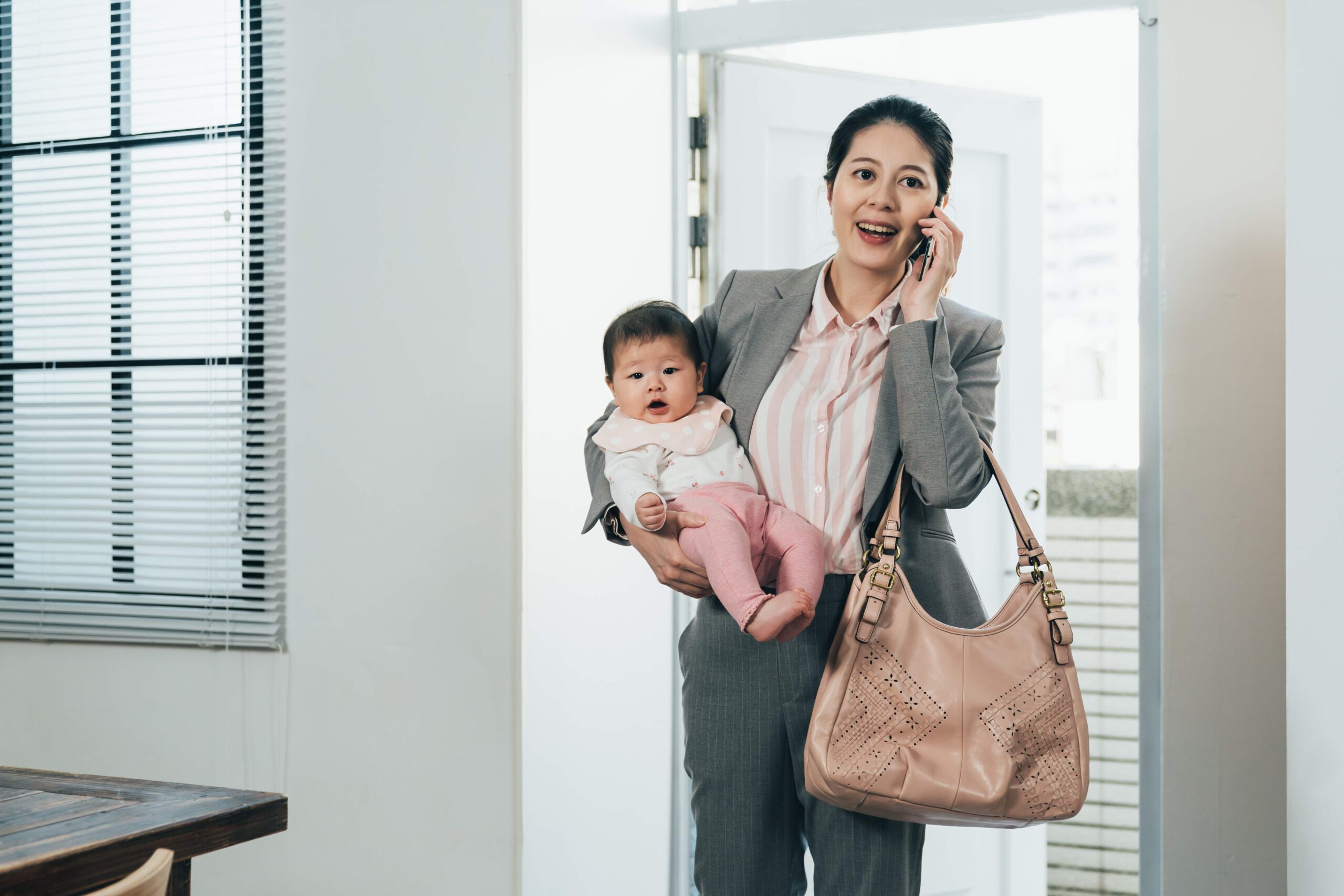
The Physical Demands of Parenthood
Being a parent is one of life’s great joys—and one of its most physically demanding roles. Whether you’re lifting a newborn from the crib, hoisting a toddler onto your hip, or carrying a growing child through the grocery store, your spine is working overtime. Most parents don’t realize that the repetitive strain of lifting, holding, and bending to care for children can lead to chronic back and neck pain that compounds over months and years.
The lumbar spine (lower back) bears the brunt of this strain, especially during lifting. The cervical spine (neck) suffers too, particularly when you’re cradling an infant or looking down at a child. Without proper body mechanics, what feels like a simple daily task can gradually misalign your spine and trigger pain that interferes with your ability to care for your family.
How to Lift, Hold, and Protect Your Spine
The way you lift your child sets the tone for spinal health. Many parents bend at the waist, using their back muscles to do the heavy work. This is a recipe for injury. Instead:
- Bend at your knees, not your waist. Squat down to your child’s level, keeping your spine neutral and your core engaged.
- Keep the child close to your body. The farther away they are from your center of gravity, the more stress your lower back bears. Hold them as close as possible.
- Lift with your legs. Your quadriceps and glutes are far stronger than your back muscles. Let them do the work.
- Avoid twisting while holding your child. If you need to turn, pivot your feet rather than rotating your spine.
- Ask for help. There’s no shame in accepting a partner’s or family member’s assistance, especially when you’re tired or your back is already strained.
Carrying Positions That Protect Your Spine
How you carry your child matters just as much as how you lift. Each carrying position places different demands on your spine.
Hip carry: This popular position—child balanced on one hip—can create asymmetrical load on your spine if overused. It’s fine for short periods, but switch sides frequently and don’t carry on the same hip for extended stretches.
Front carry: Holding your child in front of you, close to your torso, distributes weight more evenly. This is gentler on your spine, especially for longer periods.
Back carry: Once your child is old enough, carrying them on your back (in a proper carrier) frees your arms and distributes their weight down through your legs rather than pulling your spine forward.
Avoid chest-forward carries: Carrying your child extended away from your body, or leaning back to counterbalance their weight, puts excessive strain on your lumbar spine and disrupts your natural alignment.
Beyond deliberate lifting, parenthood is full of hidden spinal stressors. Bathing your child often requires bending over a tub at an awkward angle. Changing diapers on a low table can compress your lumbar discs. Pushing a stroller while hunched forward tightens your neck and shoulders. Even sleeping positions matter—if your child frequently sleeps in your bed or you’re hunching over a crib rail, you’re accumulating microtraumas that add up.
The key is awareness. Notice your posture during these routine tasks and adjust when possible. Raise your changing table height. Ensure your car seat and stroller are ergonomically positioned. Take frequent breaks and switch positions regularly.
Essential Maintenance for Parents
Even with perfect technique, the relentless physical demands of parenting take their toll. Regular chiropractic adjustments help catch misalignments before they become chronic pain. Dr. Barton works with parents in Homewood to assess their spine, identify problem areas, and keep them mobile and pain-free so they can fully enjoy their children without physical limitation.
If you’re experiencing back or neck pain from carrying your child, or you want to prevent it before it starts, chiropractic care is an investment in your long-term health and quality of life as a parent. Your spine supports everything you do—it deserves professional attention.
Ready to talk? Call 708-922-1400 or visit our contact page.
The Truth About Headaches

Where Your Headache Really Comes From
When a headache strikes, your instinct is to rub your temples or reach for pain relief. But if you’re dealing with recurring headaches, the real culprit might not be in your head at all — it could be hiding in your neck and upper spine.
This might sound surprising, but it’s remarkably common. Tension headaches and cervicogenic headaches (headaches that originate from the neck) account for a significant portion of chronic headache complaints. The pain you feel in your head is often just the final message your nervous system is sending — the actual problem started somewhere else entirely.
Neck Misalignments Trigger Headaches
Your cervical spine (neck) contains seven vertebrae, each one surrounded by muscles, nerves, and connective tissue. When vertebrae shift out of their proper alignment, a condition called a subluxation, they can irritate nearby nerves and tighten the muscles that support your head and neck.
This irritation travels up through the trigeminal nerve and other sensory pathways, creating the sensation of a headache. You might describe it as a band of pressure around your head, a throbbing pain behind your eyes, or a dull ache that won’t quit. But the source of that pain? It’s often rooted in cervical dysfunction, not a problem within the brain itself.
Poor posture amplifies this problem. Hours hunched over a laptop, smartphone, or desk gradually pull your head forward and compress your neck vertebrae. Over time, this sustained misalignment stresses the joints and muscles, triggering the headache patterns you experience.
Rest Alone Won’t Solve It
If you’ve been waiting for a recurring headache to simply go away on its own, you’re not alone — but prolonged rest won’t address the underlying spinal issue. Taking a day off might offer temporary relief, but if the vertebral misalignment remains uncorrected, the headaches will likely return.
This is where many people get stuck in a cycle: headache flares up, they rest or take something for pain, it temporarily subsides, and weeks later, the same pattern repeats. Breaking that cycle requires addressing the root cause — the spinal dysfunction driving the pain signals in the first place.
A comprehensive chiropractic evaluation can identify whether your headaches are truly cervicogenic. Dr. Barton will examine your cervical spine’s alignment, range of motion, and how your posture affects your head and neck position. X-rays or other diagnostic tools may reveal subluxations or degenerative changes that explain your headache pattern.
Chiropractic adjustments can restore proper vertebral alignment, relieve nerve irritation, and reduce the muscle tension that fuels recurring headaches. Many patients report significant improvement after just a few sessions — not because the pain is being masked, but because the underlying mechanical problem is being corrected.
Dr. Barton also works with patients on ergonomic habits and posture awareness to prevent headaches from returning. Simple changes like adjusting your monitor height, taking regular breaks from screens, or strengthening the muscles that support your neck — can make a dramatic difference in how often headaches occur.
If you’re in the Homewood area and tired of living with recurring headaches, a chiropractic assessment offers a drug-free, non-invasive way to get to the real answer. Rather than chasing symptoms, you’ll address the spinal dysfunction creating them in the first place.
Ready to find out what’s really causing your headaches?
Call 708-922-1400 or visit our contact page.
Why Your Feet Hurt Your Back

Your Feet Are the Foundation of Your Spine
When you feel back pain, your instinct is often to focus on your spine. But the real culprit might be miles away—in your feet. Your feet are the foundation of your entire body’s alignment, and even small imbalances in how they contact the ground can cascade upward through your ankles, knees, hips, and spine, eventually triggering pain and dysfunction. Understanding this connection is key to finding lasting relief.
Foot Misalignment Triggers a Chain Reaction
Your body works as an integrated system. When your feet don’t align properly—whether due to flat arches, high arches, or uneven weight distribution—your body compensates. One foot might strike the ground differently than the other, or your arch might collapse inward (overpronation) or roll outward (underpronation). These subtle shifts force your ankles to work harder, which throws off your knee alignment, destabilizes your hips, and ultimately strains your lower back and spine.
This cascading effect, sometimes called the kinetic chain, means that a problem at your foundation becomes a problem throughout your entire structure. Athletes often experience this firsthand: a runner with poor foot mechanics doesn’t just feel ankle pain—they develop knee issues, hip tightness, and chronic lower back strain.
Common Foot Problems That Lead to Back Pain
- Flat feet (fallen arches) — Reduce shock absorption and force your knees and hips to compensate, destabilizing your pelvis and spine.
- High rigid arches — Limit flexibility and increase impact stress on joints higher up the chain.
- Uneven leg length — Even a small difference tilts your pelvis, creating asymmetrical stress on your lower back and sacroiliac joints.
- Heel-dominant walking — Shifts weight backward, altering your center of gravity and straining your lumbar spine.
- Toe-in or toe-out walking patterns — Rotate your knees and hips, misaligning your pelvis and compressing spinal discs.
Generic back pain treatment often misses the source. If you’re receiving care that focuses only on your spine, you might feel temporary relief—but the underlying foot misalignment keeps pulling your body out of balance. That’s why a comprehensive chiropractic assessment matters. Dr. Barton looks at how your entire body moves, from your feet all the way up your kinetic chain.
During a full-body evaluation, a chiropractor observes:
- How your feet contact the ground (weight distribution, pronation pattern)
- Knee and hip alignment during standing and movement
- Pelvic tilt and symmetry
- Spinal curvature and vertebral positioning
- Muscle imbalances and tightness
This interconnected view reveals why your back actually hurts—and how to fix it at the root.
What Treatment Looks Like
Once foot misalignment is identified, correction typically involves chiropractic adjustments to realign your ankles, knees, hips, and spine—restoring proper biomechanics from the ground up. Many patients also benefit from targeted stretches, strengthening exercises for stabilizer muscles, and ergonomic adjustments to daily habits. In some cases, orthotics (shoe inserts) or changes to footwear can provide additional support while your body rebalances.
Athletes and active patients often see dramatic improvements once their foundation is stable. Running becomes pain-free, workouts feel stronger, and chronic aches simply disappear.
If you’ve had persistent back or hip pain that hasn’t resolved, it’s worth asking: have you had your feet assessed? The answer to your spine pain might literally be where you stand. A thorough chiropractic evaluation can identify misalignments in your kinetic chain and guide you toward real, lasting relief—not just masking symptoms, but addressing the biomechanical root cause.
Ready to talk? Call 708-922-1400 or visit our contact page.
Posture at the Dinner Table

The Posture-Digestion Connection
Most people think about posture when they’re at a desk or standing in line, but few consider how they sit at the dinner table. Yet the position you hold during meals directly affects both your spine and your ability to digest food efficiently. Slouching, leaning to one side, or hunching over your plate might feel natural after a long day, but these habits add stress to your vertebrae and can interfere with the natural processes your body relies on to break down food and absorb nutrients.
When you sit upright with proper spinal alignment, your digestive organs have room to function without compression. Your esophagus, stomach, and intestines work best when your torso isn’t folded or twisted. Poor posture at meals doesn’t just create short-term discomfort—it reinforces muscular imbalances that accumulate over weeks and months, eventually leading to chronic neck, mid-back, or lower-back pain.
What Happens When You Slouch While Eating
Slouching rounds your shoulders forward and collapses your chest, a posture pattern many of us adopt without thinking. This position does several things at once:
- Compresses your stomach and intestines, making digestion less efficient and sometimes causing bloating or discomfort after meals.
- Strains your cervical spine (neck), especially if you’re looking down at your plate rather than keeping your gaze level.
- Weakens postural muscles over time, making it harder to sit upright without fatigue.
- Reinforces forward-head posture, the same pattern that results from tech neck and desk work.
If you eat multiple meals a day in a slouched position, you’re spending hours in a posture that loads your spine unevenly and restricts your organs’ space to work. Over time, this contributes to the cumulative spinal strain that brings patients into the office with neck and upper-back pain.
Practical Postural Cues for Mealtimes
Good eating posture doesn’t require perfection—it requires awareness and small, consistent adjustments:
- Sit with your feet flat on the floor or footrest, hips and knees at roughly 90 degrees. This foundation stabilizes your pelvis.
- Keep your shoulders relaxed and back, not shrugged up toward your ears or collapsed forward.
- Maintain a neutral spine curve by imagining a string gently pulling the crown of your head upward. Your ears, shoulders, and hips should align vertically when viewed from the side.
- Bring your food to mouth level rather than hunching down to your plate. This keeps your head and neck in a neutral position.
- Eat slowly and mindfully. Rushing encourages slouching and poor breathing, both of which undermine digestion and spinal alignment.
Posture as Part of Your Wellness Routine
Paying attention to how you sit during meals is part of a broader wellness practice. Just as you might stretch after exercise or take a walk to ease stress, refining your eating posture is a daily habit that protects your spine and supports your body’s natural functions.
If you already experience neck or back pain, poor mealtime posture can aggravate symptoms. Conversely, correcting postural habits at the dinner table—alongside chiropractic care—reinforces the alignment adjustments made during treatment and prevents new patterns of strain from forming.
In Homewood and the surrounding area, Dr. Diane Barton works with patients to address both acute pain and the postural habits that contribute to it. Chiropractic care combined with mindful daily practices like good eating posture creates a sustainable approach to spinal health that goes far beyond the treatment room.
Ready to talk? Call 708-922-1400 or visit our contact page.