
Archive for June 2026
Air Conditioning Shock

Why Sudden Temperature Changes Hurt Your Neck and Back
You step out of your air-conditioned office into the blazing summer heat, and within minutes your neck feels stiff. An hour later, you’re back indoors in full AC blast, and now your lower back is tight. Sound familiar? You’re not imagining it—rapid temperature swings between indoor air conditioning and outdoor heat are a genuine source of musculoskeletal stress, especially during the summer months in Homewood and across Illinois.
The problem isn’t just discomfort. These temperature extremes trigger real, measurable changes in your muscles and joints that can build into chronic pain if left unaddressed.
How Muscles React to Temperature Shock
Your muscles are sensitive to temperature changes. When exposed to sudden cold—like stepping into a heavily air-conditioned building—your muscles contract as a protective reflex. This is your body’s way of generating heat and protecting your core. The same response happens in reverse when you exit into hot outdoor air; your muscles tense as they adjust to the thermal load.
The problem intensifies when these transitions happen repeatedly throughout your day. If you commute to an office, work indoors all day, grab lunch outside, run errands, and return to your climate-controlled car, your muscles are contracting and relaxing dozens of times. Over hours and days, this creates cumulative tightness and fatigue in the neck, shoulders, and lower back—the areas most vulnerable to postural stress.
The Whiplash Effect of AC-to-Heat Cycles
Think of it like a miniature whiplash. Your cervical spine (neck) and lumbar spine (lower back) are designed to move with controlled, coordinated muscle support. When temperature swings force rapid, involuntary muscle contractions, that coordinated support falters. Your stabilizer muscles—the deep core muscles that protect your spine—tighten defensively instead of working fluidly.
Over time, this defensive tightening can lead to:
- Reduced range of motion in your neck and shoulders
- Muscle knots and trigger points in the upper back
- Lower back stiffness and localized pain
- Headaches radiating from neck tension
- Fatigue from muscles working overtime to stabilize
Office workers and commuters are hit hardest because they experience the most dramatic transitions: frigid indoor AC (often set to 68–72°F) versus outdoor summer heat (often 85°F or higher). That 15–20 degree swing multiple times daily is a genuine physiological stressor.
Many people assume the stiffness will pass on its own, or they try to push through it. But muscles that are repeatedly stressed without proper recovery develop compensation patterns. Your body shifts weight, adjusts posture, and recruits other muscles to stabilize—all of which can trigger pain in places far from the original problem.
This is where chiropractic care becomes valuable. By addressing the underlying muscle tightness, joint restriction, and postural compensation patterns, Dr. Barton can help restore proper spinal alignment and muscle function before the pattern becomes entrenched.
What You Can Do Now
Beyond chiropractic adjustments, a few practical steps can reduce AC shock:
- Transition gradually. Spend a minute or two in a moderate temperature zone before stepping into extreme heat or cold.
- Dress in layers. A light layer you can remove indoors helps your body adjust without sudden exposure.
- Stay hydrated. Water supports muscle elasticity and reduces cramping.
- Move regularly. Gentle stretching and position changes throughout the day prevent muscle stiffness from setting in.
- Check your office temperature. If your workplace AC is excessive, ask about adjustments; comfort supports better posture and muscle function.
If you’re already experiencing neck or back stiffness from temperature swings—or from the cumulative stress of summer commuting—chiropractic care can help restore mobility, reduce muscle tension, and prevent the problem from worsening. Dr. Barton works with Homewood residents to identify the root causes of summer pain and build strategies for long-term relief.
Call 708-922-1400 or visit our contact page.
Summer Heat

Your Spine Needs Water More Than You Think
Summer heat brings outdoor adventures, longer days, and the temptation to push your body harder.
But as temperatures climb, one critical factor often gets overlooked: hydration. Most people associate dehydration with thirst and fatigue, but few realize how deeply it affects the health of your spine and joints—the very structures that keep you moving through those hot, active days.
Your intervertebral discs are roughly 80 percent water. These gel-filled cushions sit between your vertebrae, absorbing shock and allowing your spine to move freely. When you’re dehydrated, your discs lose fluid, becoming less elastic and more prone to stiffness and injury. This is especially critical during summer, when heat and activity levels conspire to deplete your body’s water reserves faster than you realize.
Dehydration and Joint Mobility
Dehydration doesn’t just affect your discs—it ripples through your entire musculoskeletal system. Synovial fluid lubricates your joints, allowing smooth, pain-free movement. When your body is dehydrated, this protective fluid thickens and becomes less effective, leaving your knees, hips, shoulders, and ankles feeling stiff and creaky. Your muscles, which are about 75 percent water, also suffer: they become tighter, fatigue more quickly, and are more susceptible to cramps and strains.
Active adults pushing through summer—whether you’re hiking, playing sports, or working outdoors—are especially vulnerable. The combination of heat-induced sweating and physical exertion creates a perfect storm for fluid loss. Even mild dehydration can compromise your body’s ability to stabilize your spine and maintain proper alignment during movement.
Muscle Function and Spinal Stability
Your core and stabilizing muscles depend on adequate hydration to contract efficiently and support your spine. When dehydrated, muscles weaken and tighten, making it harder to maintain good posture and spinal alignment. This puts extra stress on your discs and joints, increasing your risk of pain, injury, and long-term wear and tear. Over time, repeated dehydration-induced muscle weakness can contribute to chronic pain patterns and reduced mobility.
Practical Hydration Strategies for Summer
Start with the basics: drink consistently throughout the day, not just when you feel thirsty. Thirst is a late indicator of dehydration—by the time you feel it, your performance and comfort have already begun to decline. Aim for half your body weight in ounces of water daily as a baseline; increase this during hot weather or exercise. Electrolyte drinks can help during intense or prolonged outdoor activity, as they replace sodium and minerals lost through sweat.
Drink water before, during, and after exercise, especially in heat. Avoid waiting until after your workout to rehydrate—by then, your joints and muscles have already paid the price.
Proper hydration supports your body’s natural alignment and healing capacity, but it works best alongside proactive care. Regular chiropractic adjustments maintain spinal alignment, reduce compensatory muscle tension, and optimize your nervous system’s function—all of which help your body retain hydration more effectively and respond better to physical demands.
If you’re an active adult enjoying Homewood summers, combining consistent hydration with regular chiropractic care is a powerful wellness strategy. Adjustments from Dr. Barton help restore joint mobility, reduce inflammation, and ensure your spine can handle the demands you place on it. Together, hydration and chiropractic care keep you moving freely and pain-free through the heat.
Don’t wait until you’re sidelined by dehydration-related pain or stiffness. Start this summer with intentional hydration habits, and consider scheduling a visit with Dr. Diane Barton to ensure your spine and joints are optimized for all the activity ahead.
Call 708-922-1400 or visit our contact page.
Car seat back pain
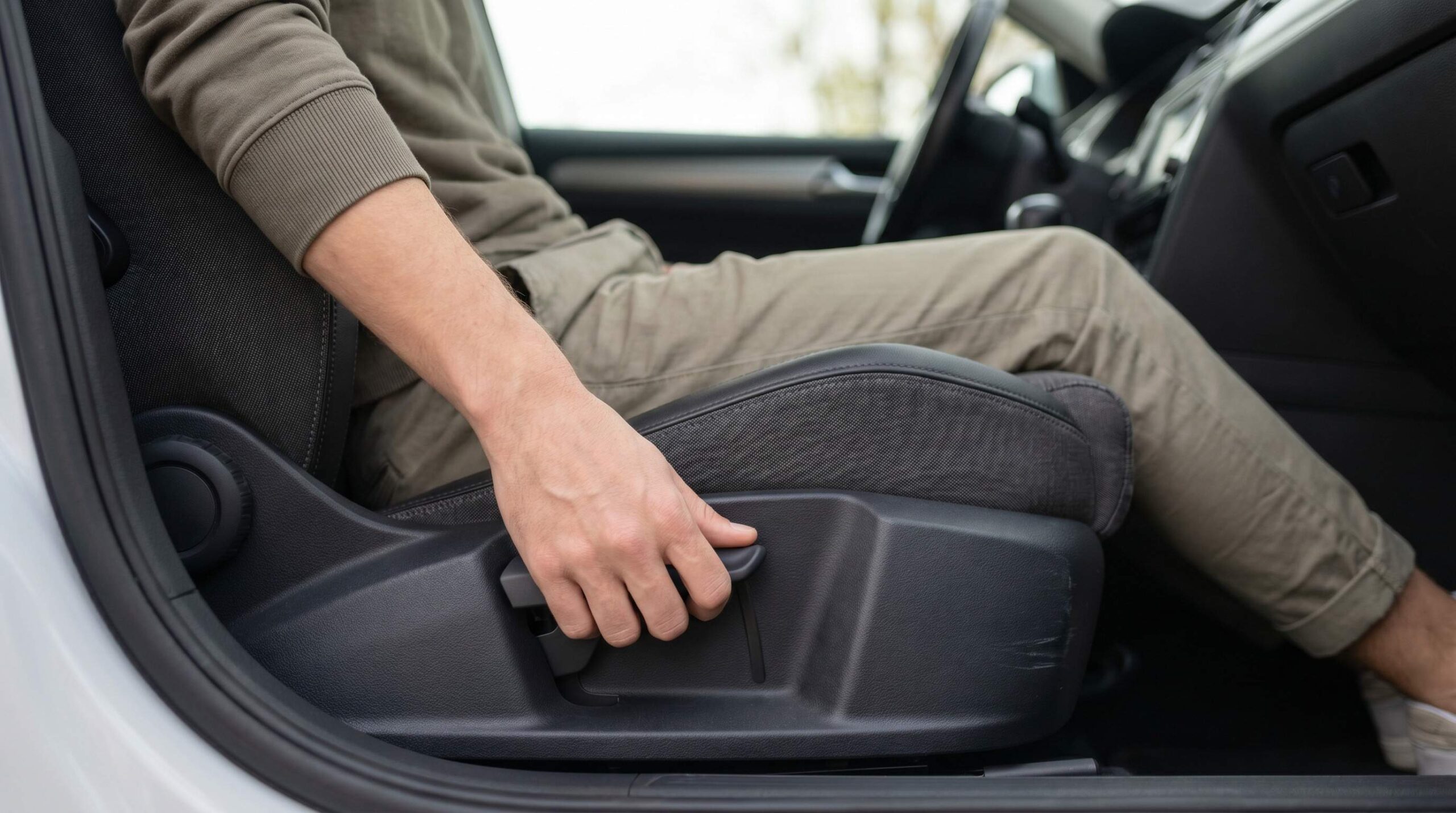
How Your Car Seat Is Collapsing Your Discs
If you’re driving to work in Chicago or the surrounding areas every day, you’re spending a significant portion of your life in a seat that was never designed with your spine’s health in mind. Most car seats prioritize comfort and aesthetics over spinal support, leaving your lower back vulnerable to compression and strain. After just a few months of regular commuting, many drivers develop chronic lower car seat back pain or hip pain—not from a single injury, but from the cumulative effect of poor seating posture and inadequate lumbar support.
The problem is biomechanical. When you sit in a typical car seat without proper lumbar support, your spine flattens. Your pelvis tilts backward, your lower back rounds, and your discs—the gel-filled cushions between your vertebrae—begin to compress and shift. Over hours and weeks, this compression can lead to bulging discs, nerve irritation, and the kind of persistent back pain that makes your commute miserable and your workday unproductive.
Disc Compression Happens During Your Drive
Your intervertebral discs are designed to distribute load evenly across your spine when you maintain neutral alignment. But car seats naturally encourage a slouched, reclined posture that places uneven pressure on the back half of your discs. Every pothole, every red light where you shift your weight, every hour spent gripping the steering wheel compounds this stress.
The longer you sit without moving, the worse it gets. Sitting reduces blood flow to your discs and the muscles supporting your spine. Your core muscles disengage, leaving your discs to bear load they weren’t meant to carry alone. If you’re commuting 45 minutes to an hour each way, that’s 1.5 to 2 hours of daily compression—enough to cause real, measurable damage over time.
The good news is that proper seat adjustment costs nothing and takes just a few minutes. Start by positioning your seat so your hips are slightly higher than your knees—this tilts your pelvis forward and restores the natural curve of your lower spine. Your back should contact the seat; if there’s a gap between your lower back and the seatback, you need more support.
The steering wheel should be positioned so your elbows bend at roughly 90 degrees. Your shoulders should be relaxed, not hunched forward. Avoid reclining more than 20 degrees; the more reclined you go, the more your spine flattens and the harder your discs work.
The Lumbar Roll: Your Secret Weapon
A small lumbar support roll—a cylindrical cushion placed behind your lower back—can be transformative for car seat back pain. It maintains the natural inward curve of your lumbar spine, reducing disc compression and keeping your pelvis in neutral alignment. You can purchase an ergonomic lumbar roll or even use a rolled towel. Position it at the level of your belt line, and adjust it so it feels supportive without being uncomfortable. This single addition can reduce back pain significantly for commuters.
Movement
No seat adjustment will fully protect your discs if you sit motionless for hours. Every 30 to 45 minutes, take a short break. Get out of the car, stand, and gently move your spine—a few cat-cow stretches or a short walk. Even moving slightly in your seat—shifting weight, adjusting posture—helps. Movement pumps fluid back into your discs and activates the muscles that support your spine.
Proper ergonomics and movement help, but commuters often benefit from chiropractic care as preventive maintenance. Regular adjustments help restore proper spinal alignment, reduce muscle tension, and ensure your discs stay healthy. Rather than waiting until pain forces you to seek care, proactive chiropractic visits catch alignment issues early and keep your spine resilient against the daily compression of your commute.
If you’re a Homewood-area commuter experiencing lower back or hip pain, it’s time to address the root cause. A few adjustments to your driving habits combined with professional support from Dr. Barton can transform your commute from a source of pain into a manageable part of your day.
Call 708-922-1400 or visit our contact page.
Summer Sports

Preventing Injury Before Game Day
Summer is peak season for youth sports leagues, recreational tournaments, and adult athletic pursuits. Whether your child is stepping up to competitive baseball, you’re joining a neighborhood soccer league, or you’re training for a 5K, the excitement of game day can overshadow a critical truth: most sports injuries are preventable.
The difference between an athlete who stays healthy and one who ends up sidelined often comes down to preparation. Proper spinal alignment, joint mobility, and body mechanics form the foundation of injury resistance. Chiropractic care isn’t just for treating pain—it’s a proactive conditioning tool that optimizes your body’s ability to handle the demands of summer athletics.
Your spine is the central pillar of every athletic movement. From the rotational torque in a tennis serve to the explosive push-off in soccer, your vertebrae, joints, and supporting muscles must work in coordinated alignment. Misalignments—even subtle ones you don’t feel—reduce stability, throw off your weight distribution, and force other tissues to compensate.
When compensation patterns develop, injury risk multiplies. A misaligned lumbar spine in a runner creates excess stress on the knees and ankles. A restricted thoracic spine in a baseball pitcher overloads the rotator cuff. A tilted pelvis in a soccer player reduces power and invites hamstring strain.
Regular chiropractic adjustments restore proper alignment before these compensations take hold. Athletes with aligned spines move more efficiently, generate more power, and distribute impact forces evenly across joints—all of which reduce the likelihood of acute injury or overuse strain.
Joint Mobility: The Athlete’s Insurance Policy
Full range of motion in your hips, shoulders, ankles, and knees directly correlates with injury prevention. Tight or restricted joints force your body to recruit muscles in less-efficient patterns, increasing fatigue and vulnerability.
Chiropractic care includes joint mobilization and soft tissue work that restore natural movement. For a young baseball player, this means unrestricted shoulder rotation for throwing. For a runner, it means ankle and hip mobility to absorb ground impact. For a tennis player, it means spinal rotation and shoulder flexibility to execute serves and lateral movements safely.
Summer Sport-Specific Body Mechanics
Baseball and Softball: Focus on hip and shoulder separation during rotation. Warm up with arm circles, cross-body shoulder stretches, and dynamic hip mobility drills. Proper throwing mechanics—power generated from the hips and core, not just the arm—protects the rotator cuff.
Soccer: Emphasize single-leg balance and hip stability. Include lateral lunges, calf stretches, and core work in your warm-up. Plant-and-cut movements stress the knee and ankle; strong hip stabilizers protect these joints.
Tennis: Prioritize spinal rotation, shoulder mobility, and explosive lower-body strength. Dynamic stretches that mirror serve motions prepare your body for the twisting and lunging demands of play.
Running: Full-body alignment matters here. Weak glutes, tight hip flexors, or ankle stiffness cascade up the kinetic chain. Pre-run dynamic stretching and post-run static stretching, combined with periodic chiropractic checks, keep your stride efficient and injury-free.
The best time to address spinal and joint mobility isn’t after an injury occurs—it’s before the season starts. A chiropractic evaluation now, before summer games begin, identifies misalignments and mobility restrictions that could otherwise derail your season. Think of it as conditioning your musculoskeletal system the same way you condition your cardiovascular system.
If you or your young athlete are preparing for summer sports, don’t wait for injury. A visit to see Dr. Barton can help identify and correct the alignment and mobility issues that put you at risk.
Call 708-922-1400 or visit our contact page.
Gardening

You spent Saturday afternoon planting, weeding, and mulching. Sunday morning, your back is screaming. Your instinct? Rest. Lie on the couch, avoid activity, wait for the soreness to fade. It’s a natural response—but it may be exactly what’s keeping you stuck in pain.
Many weekend gardeners rely on passive recovery, assuming their back will simply heal with time. What they don’t realize is that soreness after gardening often signals underlying misalignment or dysfunction in the spine and pelvis. Rest alone won’t fix that.
Gardening is deceptively demanding. Repetitive bending, twisting, and reaching—especially from positions your body isn’t used to—can strain muscles, irritate joints, and pull vertebrae out of alignment. Add uneven ground, awkward kneeling positions, and the weight of tools and soil, and you have a recipe for spinal stress.
The pain you feel isn’t just muscle fatigue. It’s your body’s signal that something is out of place. Your spine may be shifted, your pelvis tilted, or your supporting muscles working overtime to compensate for poor alignment. Resting doesn’t correct these issues—it just postpones them.
When you rest excessively after gardening, you’re missing a critical window of opportunity. Your body is most responsive to correction in the days immediately following strain. Lying still allows inflammation to settle, yes—but it also allows misalignments to become entrenched. Your muscles adapt to the wrong positioning, making the problem harder to fix later.
Even worse, unaddressed misalignment increases your risk of re-injury. The next time you garden, your spine is already compromised. You’re more likely to feel pain sooner, strain more severely, and face a longer recovery. Weekend after weekend, the problem compounds.
What your back actually needs is intelligent movement and proper alignment—not inactivity. Gentle, supported movement encourages blood flow, reduces stiffness, and helps your body process inflammation. But more importantly, correcting your spinal alignment restores your body’s ability to distribute force evenly, taking stress off vulnerable tissues.
Chiropractic care addresses this directly. An adjustment realigns your vertebrae, restores normal joint function, and takes pressure off affected nerves and muscles. Combined with targeted movement and stretching, this approach works far faster than rest alone. Many patients report significant relief within days—not weeks—because the underlying cause is being treated, not just the symptoms.
The real game-changer is prevention. If you’re a regular or seasonal gardener, don’t wait until you’re sore to address spinal health. Regular chiropractic check-ups ensure your spine stays aligned and mobile throughout the growing season. A healthy, aligned spine handles the physical demands of gardening much better than a compromised one.
Before your heavy gardening days, pay attention to your posture and mechanics. Warm up your muscles. Take frequent position changes—don’t spend three hours in the same bent-over stance. And if soreness does strike, seek alignment correction early rather than resting and hoping it resolves.
You don’t have to choose between your garden and your back health. By moving away from the passive rest mindset and toward active, alignment-focused care, you can keep gardening all season without chronic pain dragging you down. Your spine is built for movement and function—let’s restore it to work the way it should.
If post-gardening soreness has sidelined you, don’t wait for time to heal the problem. Contact Dr. Barton to book an appointment and get your spine back in alignment. In Homewood and the surrounding area, chiropractic care offers the fast, natural recovery that rest alone simply cannot provide.
Ready to talk? Call 708-922-1400 or visit our contact page.